Scope 3 Top-Runners Workshop Beijing Station - Financial Institutions' Value Chain Carbon Emissions Accounting, Target Setting, and Transition Plan Successfully Held
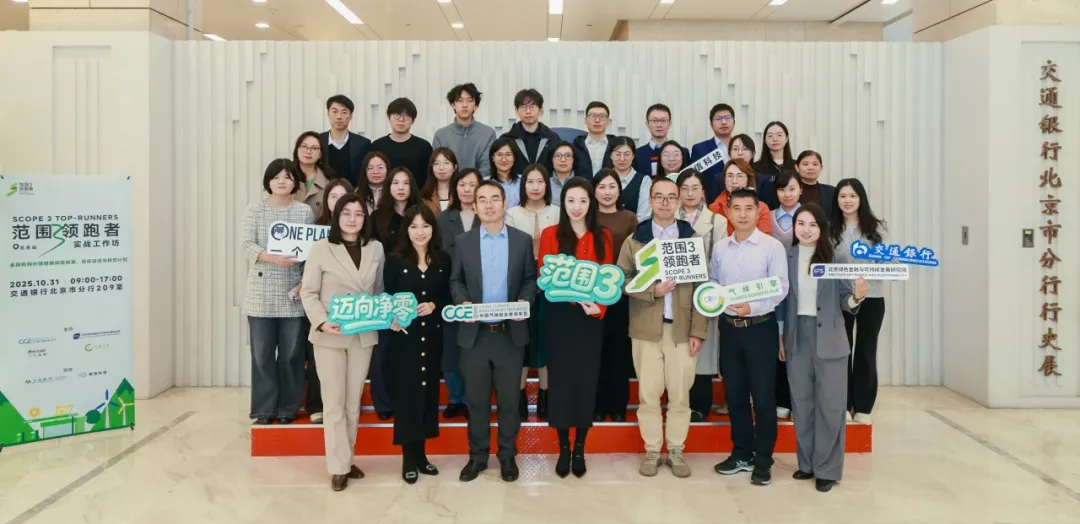
On October 31, 2025, the "Scope 3 Top-Runners" Practical Workshop (Beijing Station) was successfully held in Beijing. The event was jointly organized by the China Climate Engagement Initiative (CCEI), the Institute of Finance and Sustainability (IFS), the Shenzhen One Planet Foundation, and Climate Engine, with support from the Bank of Communications Beijing Branch and Carbon Mind. Focusing on "Financial Institutions' Value Chain Carbon Emissions Accounting, Target Setting, and Transition Planning," the workshop attracted over forty representatives from banks, asset management institutions, research organizations, and regulatory bodies. Participants engaged in in-depth discussions on integrating Scope 3 carbon accounting with transition finance, aiming to drive action and innovation among financial institutions in alignment with climate goals.
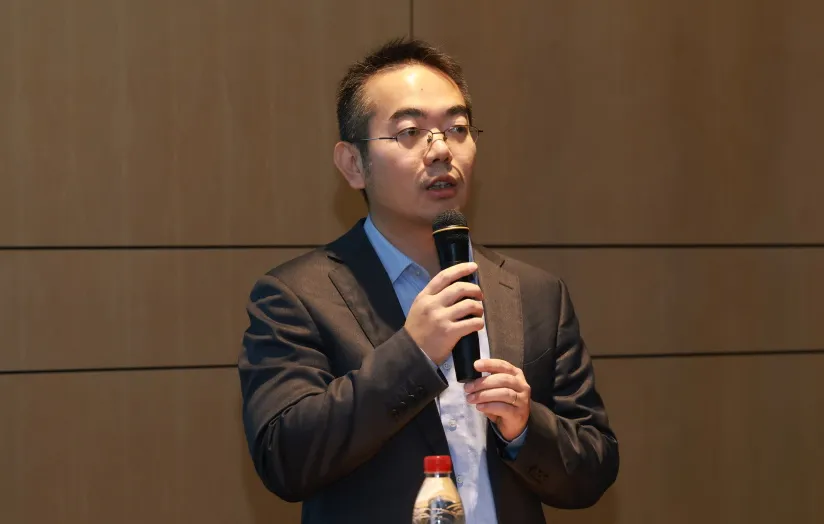
ZHAO Lijian, Joint Secretary General of the China Climate Engagement Initiative (CCEI) and Director of the Green Technology Centre at the Institute of Finance and Sustainability (IFS), provided an overview of the event's background and shared the objectives and progress of CCEI's efforts in promoting carbon accounting and disclosure. He noted that China's "Dual Carbon" strategy is advancing with steadfast commitment, and the recommendations for the 15th Five-Year Plan have placed greater emphasis and leadership on "carbon reduction." In this context, Scope 3 carbon emission reductions serve as a crucial lever for driving overall decarbonization efforts, with financial institutions playing a pivotal catalytic role. As regulatory requirements become increasingly stringent, financial institutions must systematically identify their own carbon emissions as well as those across their value chains, particularly Scope 3 emissions from investments and financing, and integrate these considerations into risk management and business decision-making. Zhao emphasized that Scope 3 accounting is not merely a compliance issue but also a matter of enhancing institutional climate resilience and competitiveness. CCEI will continue to support financial institutions in strengthening their capabilities in data management, methodological frameworks, and disclosure practices, while fostering experience-sharing and standardization across the industry.
Speakers from international and domestic institutions provided systematic explanations on Scope 3 accounting methodologies, international standards, and industry practices, further deepening participants' understanding of the accounting framework and disclosure requirements.
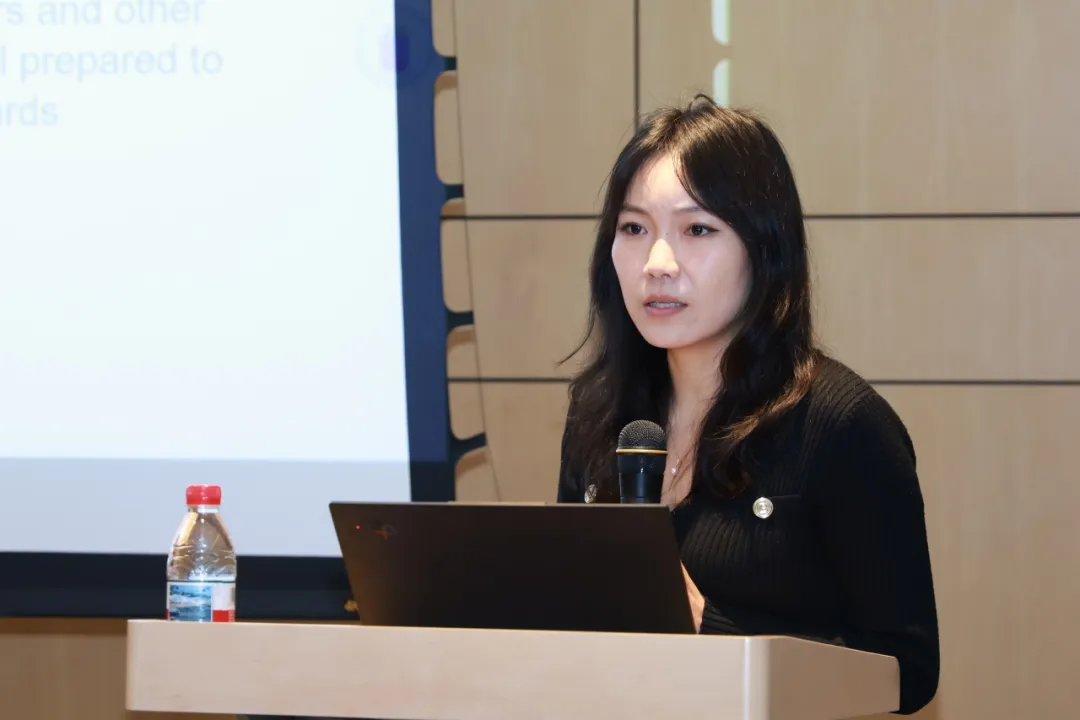
SI Jialing, Head of Regulatory Affairs for Asia at the International Financial Reporting Standards (IFRS) Foundation, introduced the Scope 3 measurement framework and transition plan disclosures under the ISSB standards. She emphasized that the ISSB aims to establish a global baseline for sustainability-related disclosures, reduce information fragmentation, and provide investors with comparable and reliable sustainability-related information to support better investment decision-making. Financial institutions are required to disclose their financed emissions, and she elaborated on the specific requirements for such disclosures within the ISSB standards. Regarding transition plan disclosures, SI Jialing noted that the ISSB has reached a consensus with the Transition Plan Taskforce (TPT) and has issued guidance on the disclosure of transition plans.
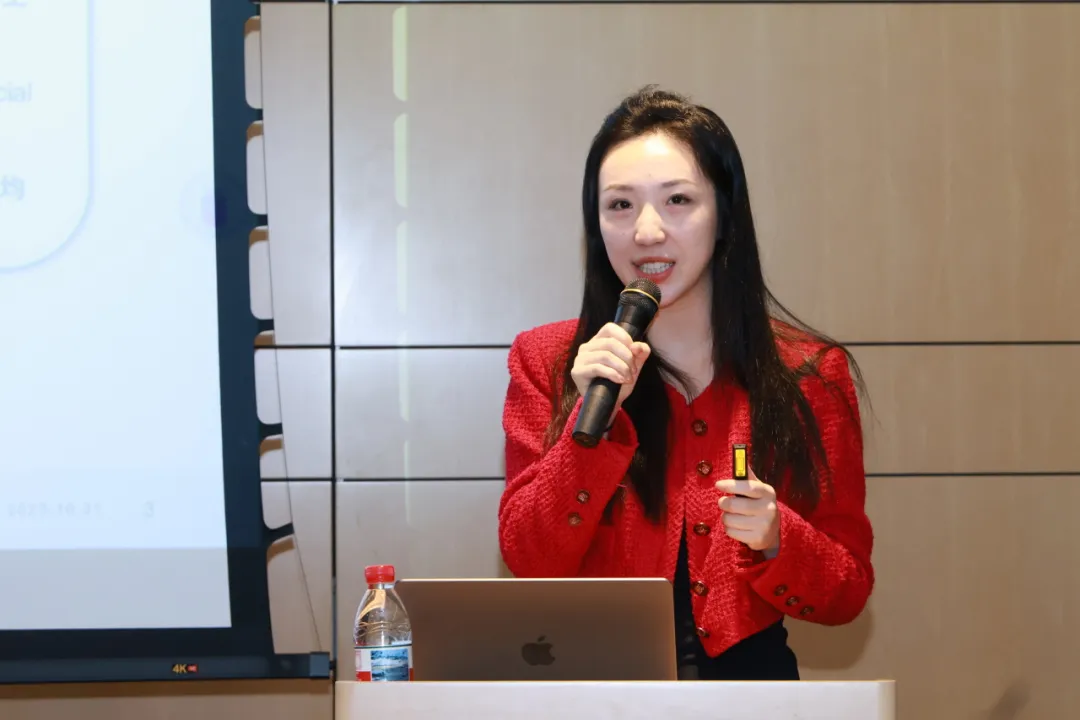
WEI Tiange, Asia-Pacific and Greater China Lead for Carbon Accounting Financials (PCAF), shared the latest practices and trends in carbon accounting for financed emissions among global financial institutions and provided a detailed introduction to the PCAF methodology. She noted that most international financial institutions currently rely on the PCAF methodology as the foundation for conducting and disclosing their financed emissions accounting. Chinese financial institutions, she suggested, can gradually develop a carbon accounting and data management system suited to their own growth by integrating regulatory requirements, the PCAF methodology, and local industry characteristics. She emphasized that accounting for financed emissions is not merely a responsibility for disclosure but also serves as a critical tool for banks and asset management institutions to identify climate-related risks and opportunities.
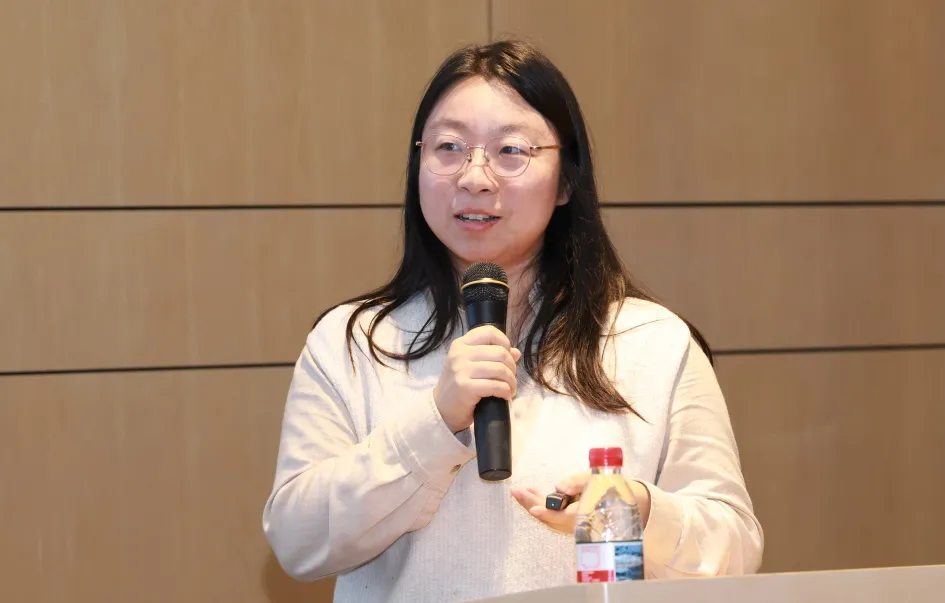
ZHANG Nan, Senior Manager at Carbon Mind, introduced the methodologies and practical cases for Scope 3 operational carbon accounting in financial institutions. She pointed out that Scope 3 operational emissions are often directly manageable in the daily operations of financial institutions, and accurate calculation helps institutions implement targeted emission reduction measures. She detailed the tiered calculation methods for key categories of operational Scope 3 emissions, such as purchased data center services and business air travel. By incorporating case studies from domestic and international financial institutions, she demonstrated practical applications of emission measurement and target-setting in this area.
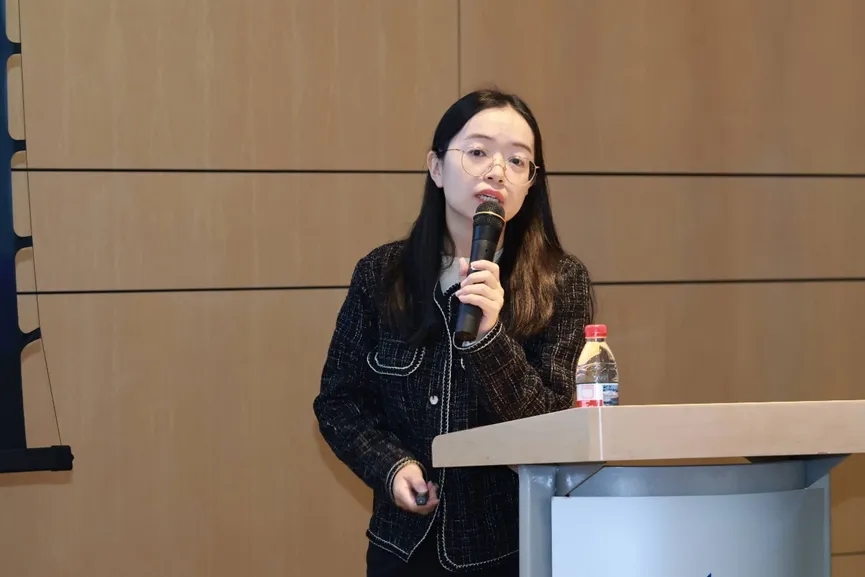
MIAO Bei from the Financial Reform Office of the Huzhou Municipal Government shared local experience on carbon accounting for investment and financing during the case study session. She explained that Huzhou has established a unified corporate carbon account system, which enables the integration of corporate emission reduction data with financial institutions' investment and financing data. This provides stronger data support for financial institutions' carbon accounting and allows financial resources to be more precisely directed toward low-carbon projects. The system not only enhances the authenticity and verifiability of carbon data but also contributes to the improvement of the local green finance ecosystem. MIAO Bei emphasized that local governments can play a crucial role in standard setting and data integration, offering a model for financial carbon accounting nationwide.
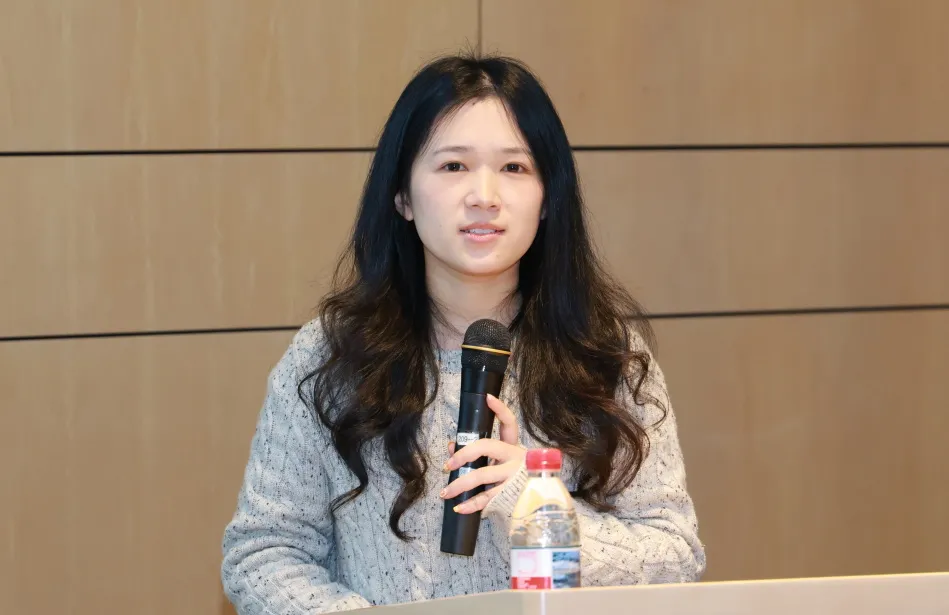
CHENG Anqi from the Risk Management Department of the Head Office of Bank of Communications shared the bank's practical experience in carbon accounting for investment and financing. As regulatory requirements for climate-related information disclosure intensify, the banking industry is accelerating the integration of climate risk management into daily operations and credit approval processes. Since establishing a climate risk governance framework at the head office level, Bank of Communications has actively explored incorporating carbon emission accounting elements into credit, investment banking, and investment businesses, while progressively refining the labeling and classification system for green financial products. She emphasized that Scope 3 accounting is not only a compliance requirement but also a critical tool for commercial banks to identify clients' transition potential and enhance asset quality. Moving forward, Bank of Communications will continue to strengthen collaboration with government agencies, research institutions, and corporate clients to advance innovations in carbon data collection and risk pricing mechanisms, contributing more experience and practices to the green transformation of the financial system.
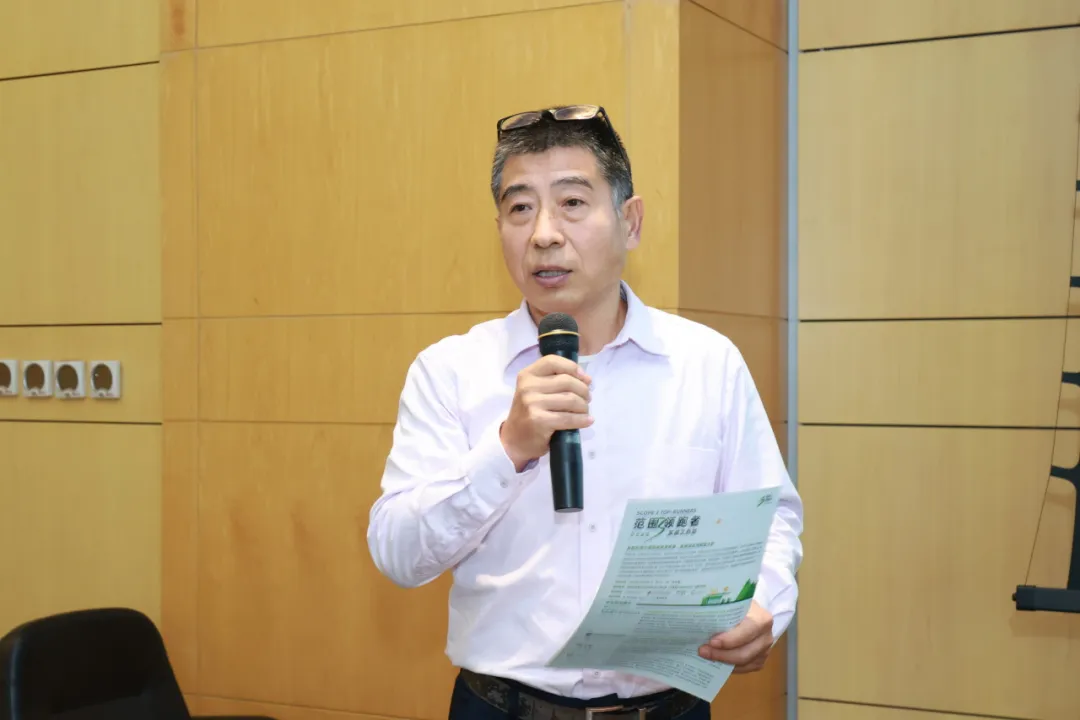
During the morning roundtable discussion, representatives from banks, wealth management institutions, and research organizations engaged in an in-depth exchange on the topic of "Scope 3 and Carbon Accounting for Investment and Financing in Financial Institutions." They offered valuable insights from diverse perspectives, including data management, standardization, governance, and policy coordination. The roundtable was moderated by TANG Weimin, Senior Manager for Energy and Climate at the World Wide Fund for Nature (WWF).

QIN Dan, Manager of the ESG and Brand Management Department at Huaxia Wealth Management, shared the institution's practical experience with Scope 3 accounting during the roundtable discussion. She noted that wealth management firms can incorporate climate risk considerations as early as the product design phase and reflect these in product disclosures in a timely manner. Huaxia Wealth Management is actively exploring green wealth management solutions aligned with client investment preferences, using carbon accounting results as a key reference for product performance and ESG ratings.
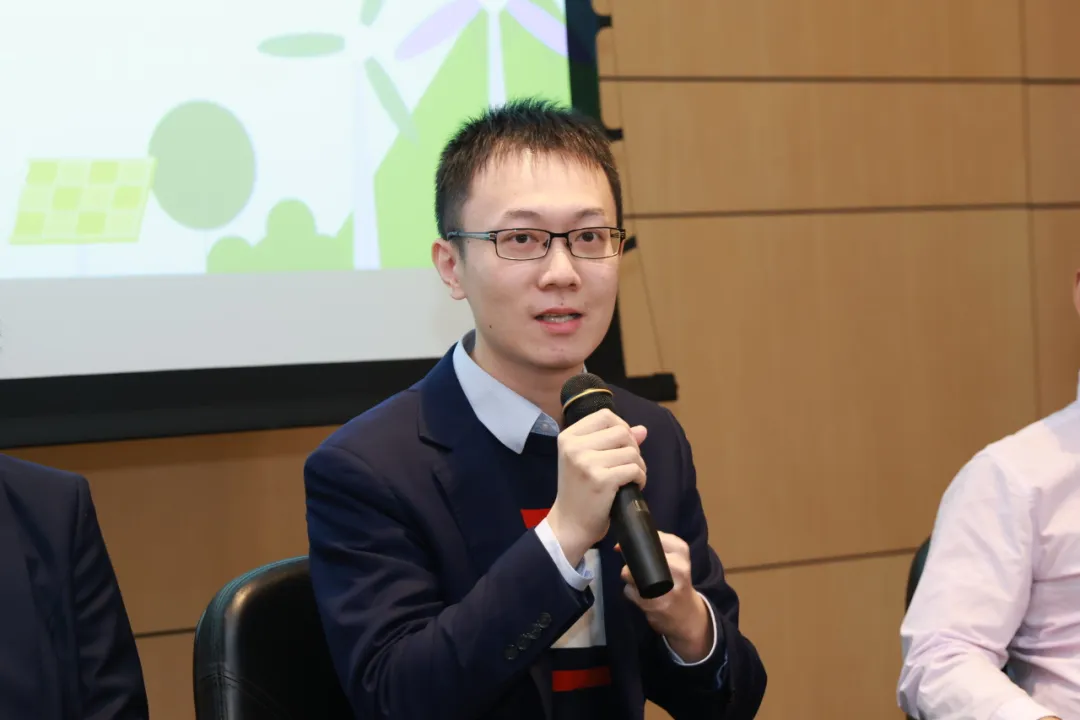
ZHOU Yujie from the Green Finance Department of Bank of Jiangsu emphasized that banks should develop differentiated accounting strategies based on industry characteristics. Jiangsu Bank has already conducted carbon accounting for its investment and financing businesses for two consecutive years. He argued that the key to Scope 3 accounting lies in ensuring sustainable data sources and clarifying internal responsibilities. In the future, collaboration with regulators and consulting institutions will be essential to improve data acquisition channels and quality management mechanisms, thereby enhancing the quality of carbon accounting efforts.
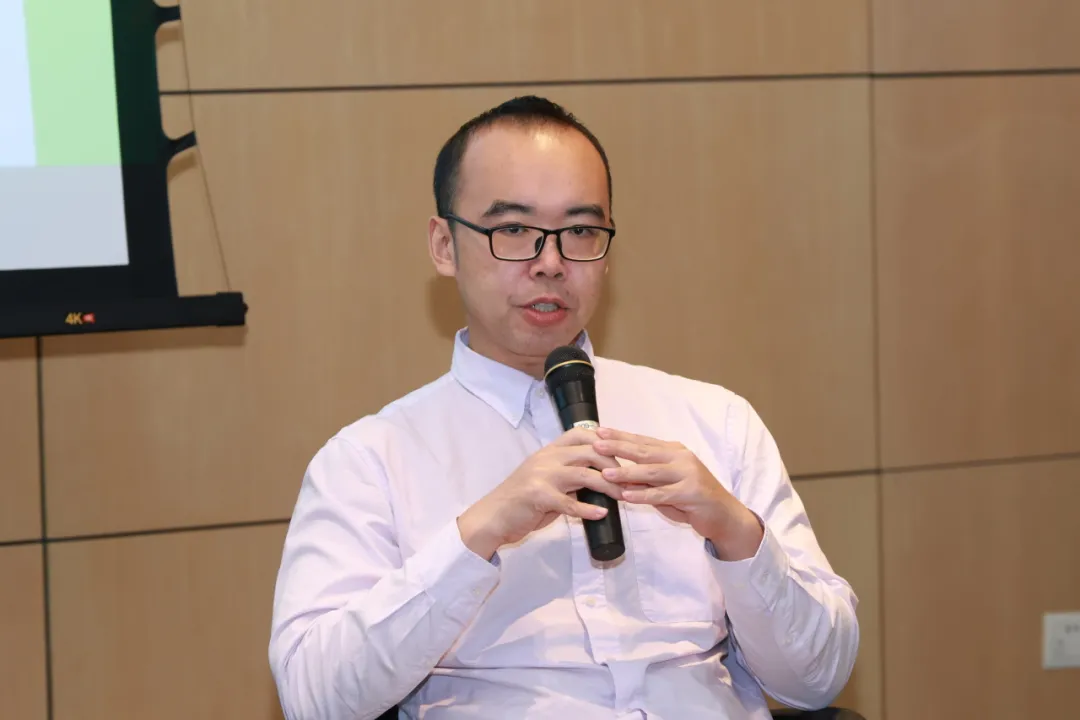
ZHANG Wenquan, Associate at the Sustainable Transition Center of the World Resources Institute (WRI), introduced the updates to the Greenhouse Gas Protocol (GHG Protocol), including revisions to the Scope 3 standards. He emphasized that for financial institutions to genuinely advance transition finance, they must first establish a reliable foundation for Scope 3 accounting. Carbon accounting should become an integral part of the investment and financing decision-making process, thereby creating positive feedback loops in pricing, risk management, and disclosure.
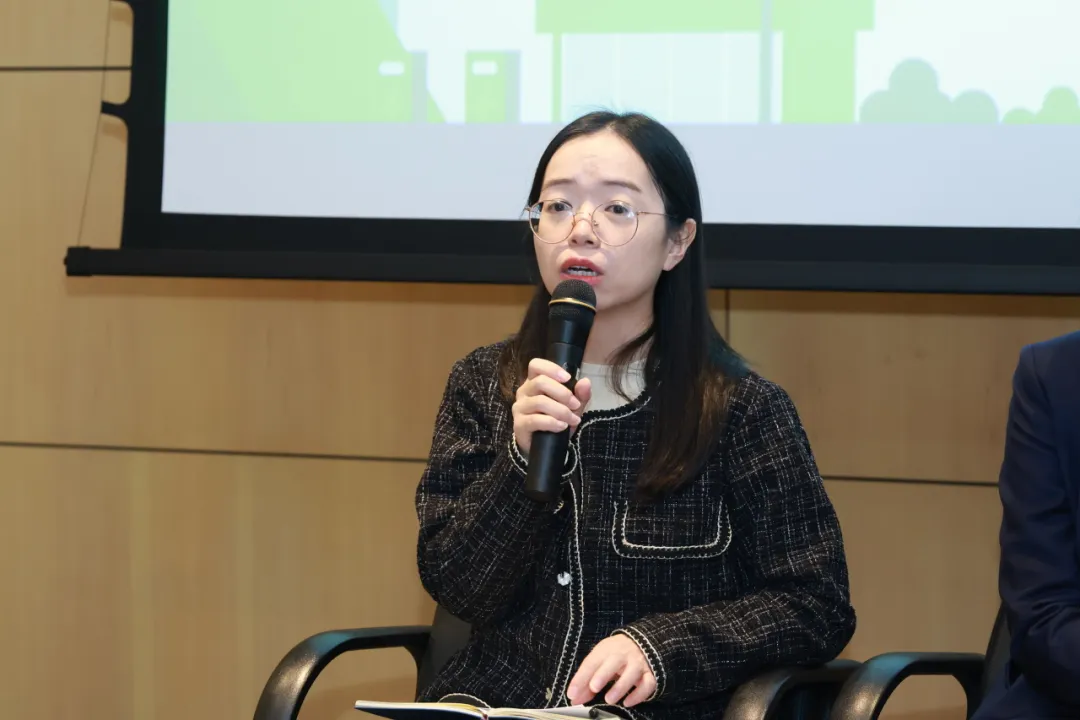
MIAO Bei from the Financial Reform Office of the Huzhou Municipal Government further emphasized during the roundtable that data standardization and system interoperability are crucial for advancing Scope 3 accounting. Huzhou is actively promoting unified accounting standards and strengthening information-sharing mechanisms to help local financial institutions better assess clients' transition progress, thereby providing both policy and financial support for the low-carbon transformation of the local economy.
The afternoon agenda focused on transition plans and decarbonization pathways for financial institutions, exploring how they can translate carbon accounting outcomes into actionable strategies and emission reduction pathways for their investment and financing activities.
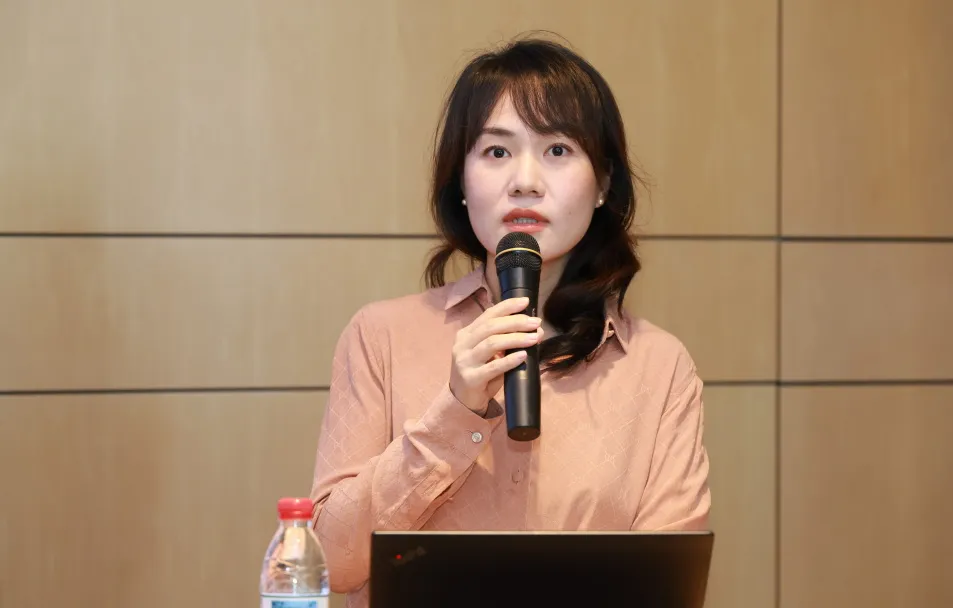
YUAN Yuan, Head of Climate and Sustainability at HSBC, first shared HSBC Group’s experience in formulating transition plans. She pointed out that developing a transition plan requires financial institutions to deeply understand the net-zero transition pathways of their clients' industries, engage in transition-related dialogues with clients, and integrate net-zero considerations into all aspects of financial product and service innovation, investment and financing decisions, risk management, and governance. YUAN Yuan emphasized that formulating a net-zero transition plan is neither an overnight nor a one-time task. Financial institutions must adhere to scientific and transparent principles, regularly review and update their plans based on the progress of the real economy’s transition and changes in the external environment, thereby guiding the execution and implementation of their strategies.
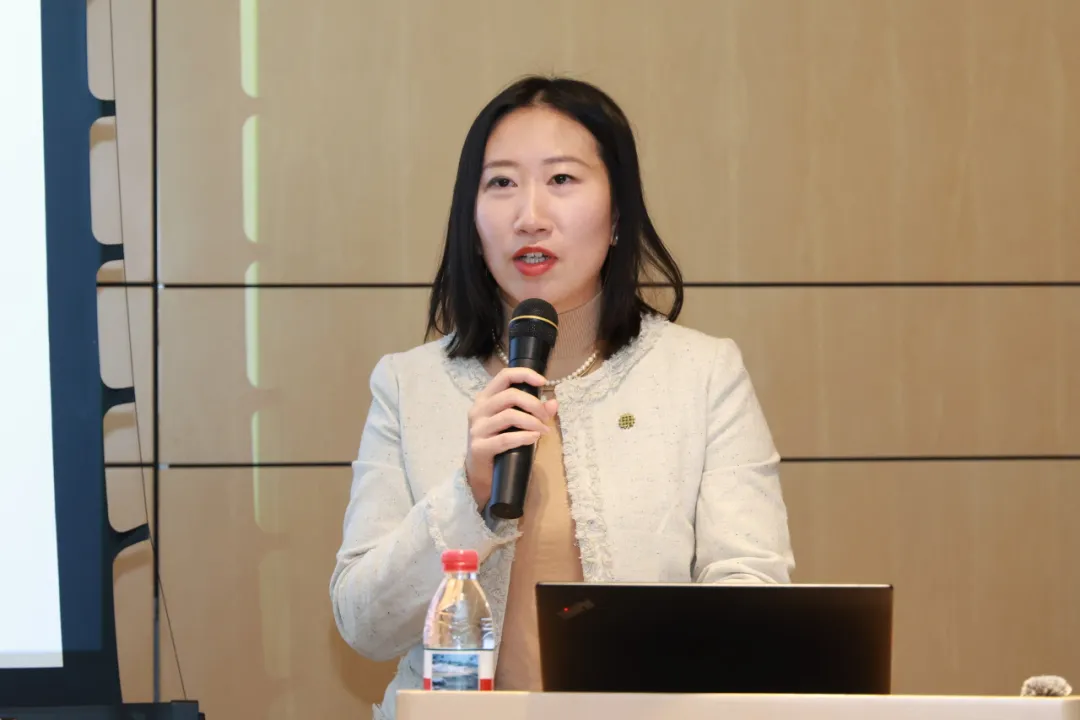
SU Ting, Research Associate of the Sustainable Investment Program at the World Resources Institute (WRI), delivered a presentation on the Net-Zero Standard for Financial Institutions on behalf of Pendar Ostovar, Head of Financial Standards at the Science Based Targets initiative (SBTi). The SBTi Net-Zero Standard for Financial Institutions was officially launched in July of this year. The standard emphasizes driving down portfolio emissions by increasing climate-aligned activities within financial institutions and provides methodologies for setting near- and long-term targets based on sectors and asset types. The presentation noted that China has been the fastest-growing market for SBTi target-setting since 2024. SBTi aims to enhance engagement with Chinese enterprises and financial institutions and encourages stakeholders to provide feedback on the standard.
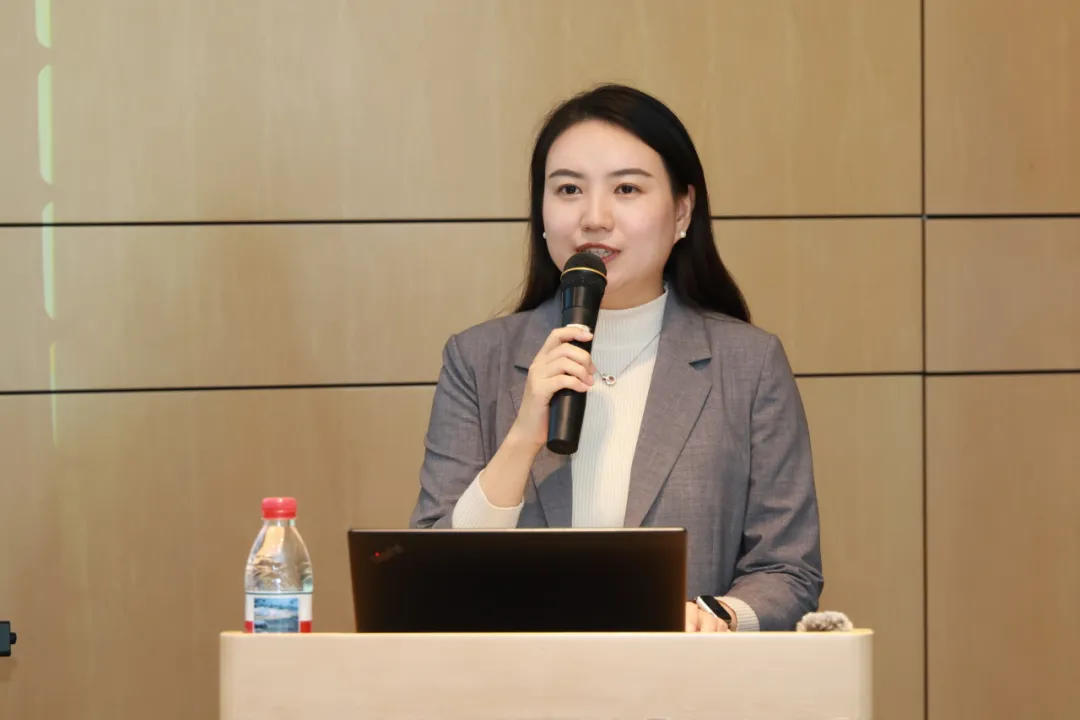
YANG Jia, Senior Researcher at the Institute of Finance and Sustainability (IFS) and Executive Secretary of the China Climate Engagement Initiative (CCEI), provided a systematic overview of the international and Chinese transition plan standard frameworks and their practical implementation. She noted that the TPT framework has been integrated into the ISSB standard system, offering specific guidance in five key components—"Foundation – Implementation Strategy – Engagement Strategy – Metrics & Targets – Governance"—which serve as a valuable reference for Chinese institutions. YANG Jia's research revealed that while the Scope 3 disclosure rate among major listed financial institutions in China has been increasing annually, surpassing 40%, the proportion of disclosures specifically covering investment and financing emissions remains below 10%. She emphasized that financial institutions should advance their climate transition through a systematic five-step approach: improving governance frameworks, strengthening data foundations, setting ambitious targets, developing actionable plans, and iteratively tracking progress. This ensures that short-term actions align with long-term strategies, enabling credible and implementable decarbonization pathways.
During the subsequent roundtable discussion, representatives from banks, funds, and research institutions shared their respective transition practices. The discussion covered topics such as target setting, pathway planning, internal governance, and product innovation, with a focus on achieving low-carbon transition while maintaining controlled risks.
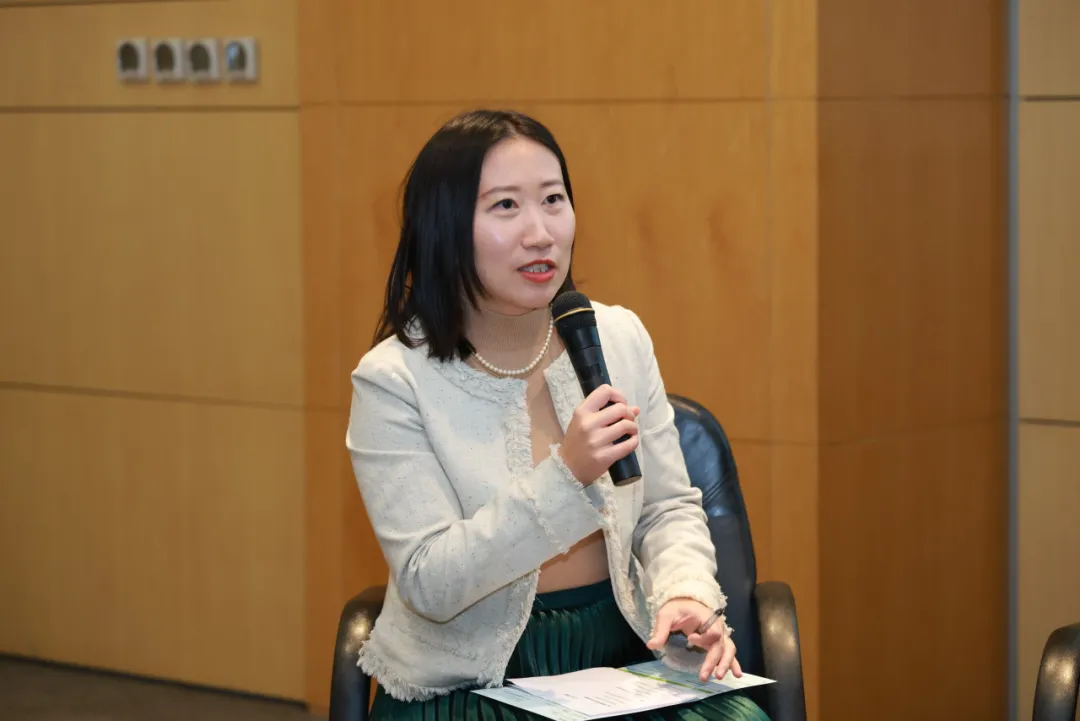
SU Ting, Research Associate of the Sustainable Investment Program at the World Resources Institute (WRI), moderated the roundtable discussion. She emphasized that financial institutions must not only set ambitious targets but also ensure their operability. Policy constraints, market incentives, and client engagement need to align to create synergy, enabling transition plans to both comply with regulatory guidance and drive business innovation.
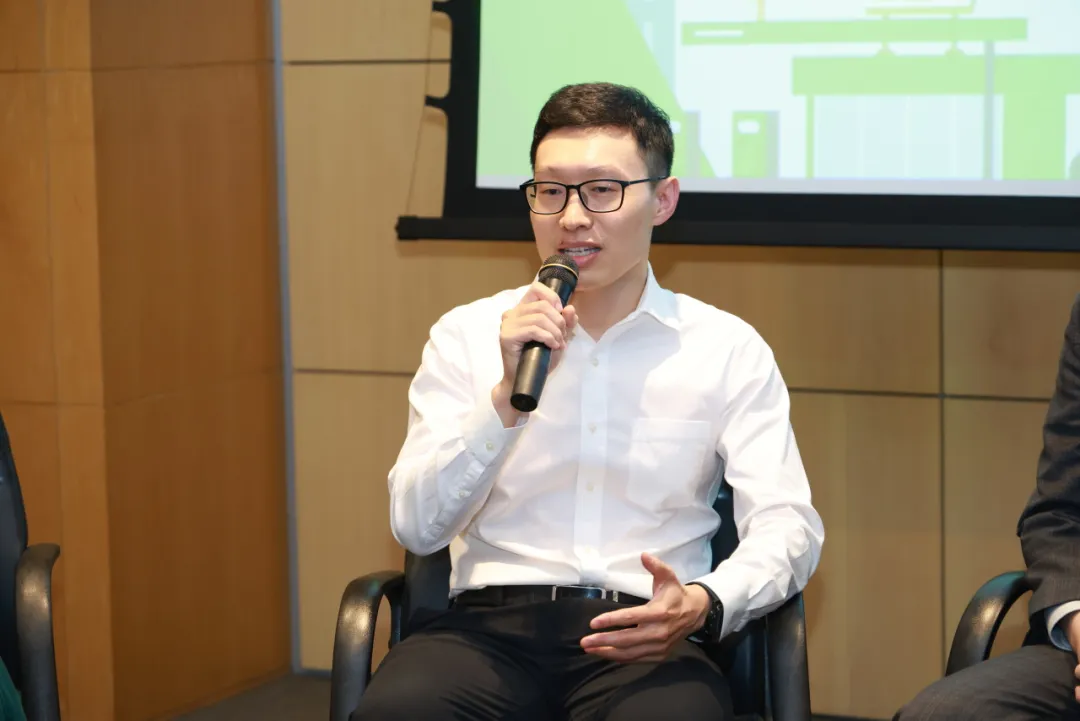
ZHANG Shengxuan, Senior Manager of the Green Finance Department at the Head Office of Industrial Bank, introduced that the bank has been actively conducting research on carbon accounting for investment and financing. In 2024, it launched a comprehensive carbon accounting initiative for its investment and financing activities. By assessing the carbon emissions of its assets, the bank aims to gradually optimize its asset structure and progressively reduce the carbon intensity of its portfolio in a phased and orderly manner. He stated that, building on this foundation, the bank is taking multiple measures to actively promote the development of transition finance and provide integrated financial services to its clients. ZHANG Shengxuan emphasized that technology enablement and product innovation will become key drivers of transition finance in the future. He recommended that the financial industry continue to explore ways to provide high-quality services for corporate green transitions through data transparency and sectoral guidance.
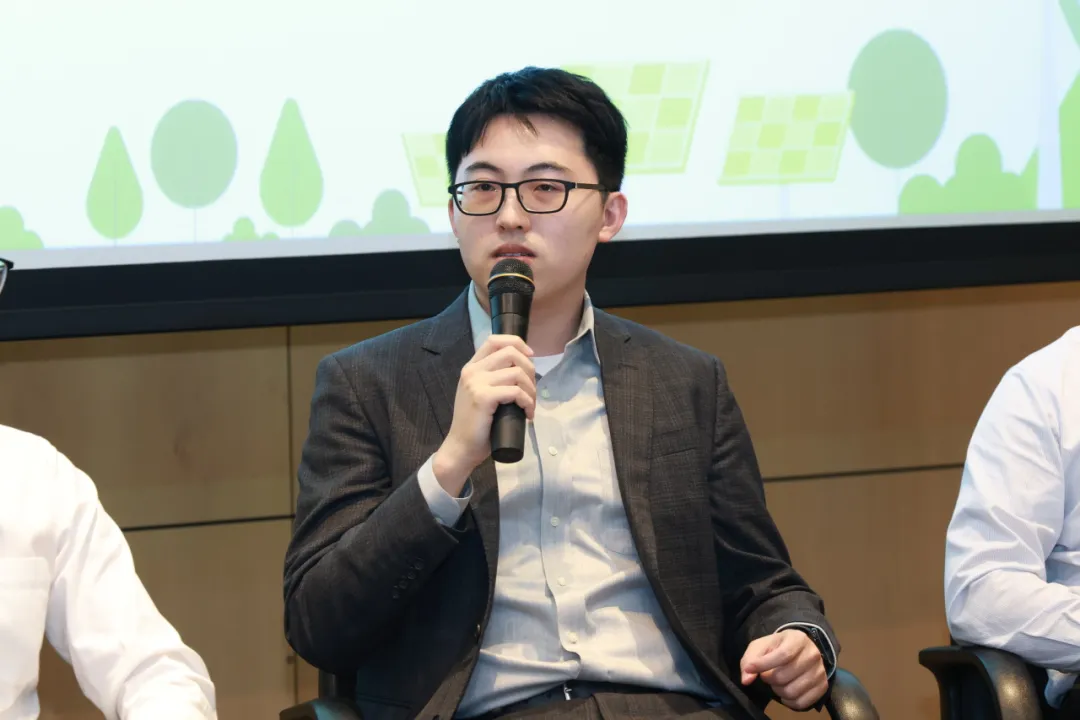
WANG Bo, ESG Research Director at Yinhua Fund Management, shared insights into the fund’s exploration of portfolio carbon accounting and climate risk management. He noted that Yinhua has already conducted carbon accounting for its equity funds and assessed their climate value at risk, while also advancing research on climate risk disclosure and management. WANG Bo emphasized that asset owners should fulfill their fiduciary duties by influencing asset managers to integrate climate risks into financial analysis frameworks, while also driving innovation in low-carbon and sustainable investment products. He argued that market demand and policy incentives are pivotal to deepening ESG investment practices.
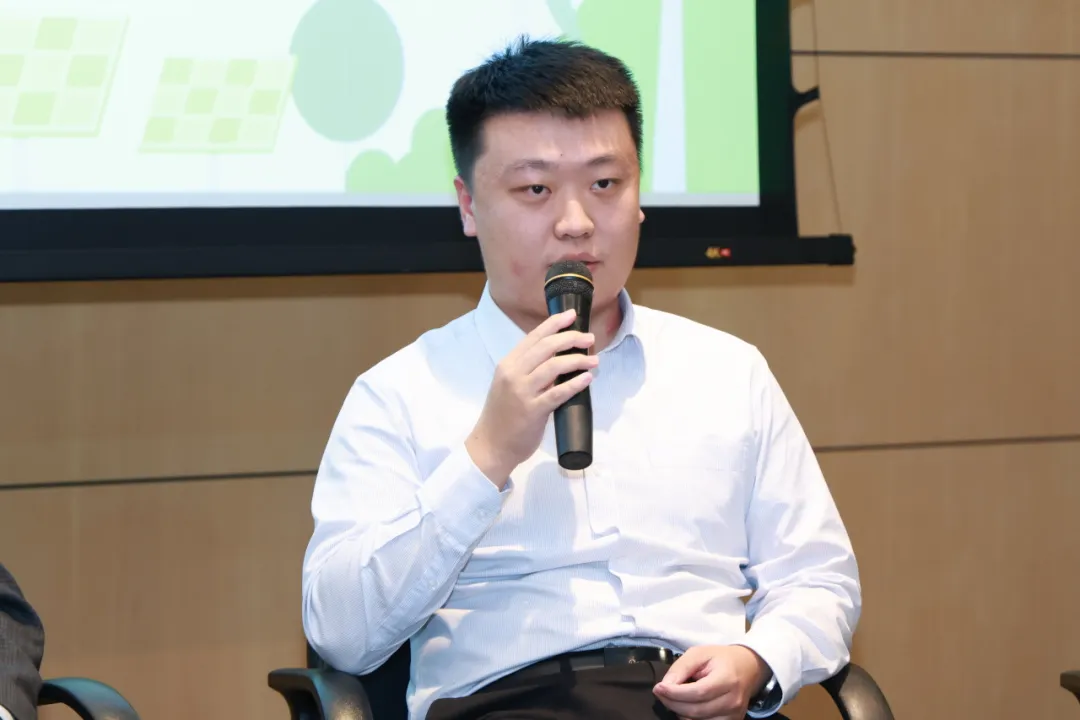
ZHANG Senyu from the Green Finance Center of the Bank of Communications Beijing Branch introduced that, under the guidance of the People’s Bank of China Beijing Branch, the Beijing Municipal Development and Reform Commission, and other relevant departments, the bank has been involved in developing a local transition finance taxonomy for Beijing since the beginning of this year. The initiative focuses on key sectors such as construction, industrial parks, data centers, transportation, logistics, and urban modern agriculture. He emphasized that in the process of continuously supporting the transition of high-carbon industries, banks must balance commercial viability with climate objectives. This can be achieved through optimizing credit policies and innovating financing instruments to ensure a stable transition. ZHANG Senyu stressed that multi-stakeholder capital collaboration, along with the participation of local governments and industry associations, will be critical to the advancement of transition finance.
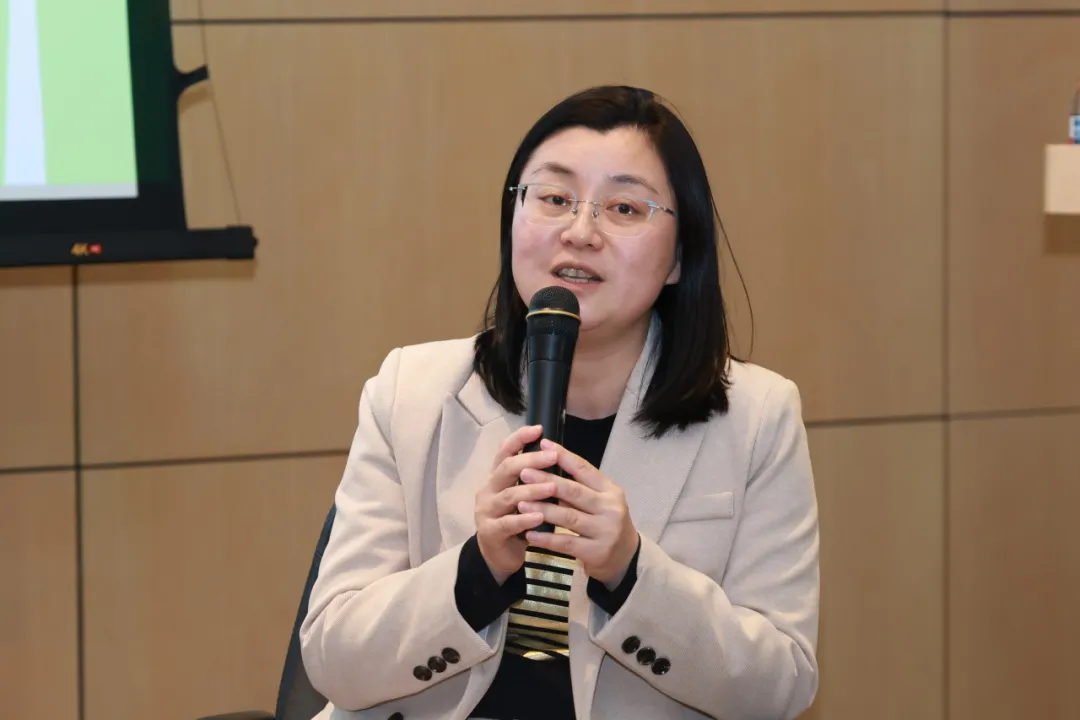
WU Furong, China Affairs Director at Asia Research & Engagement (ARE), shared insights into the experience of Asian banks in advancing transition finance, using Japan’s Sumitomo Mitsui Banking Corporation as a case study. She explained that SMBC established a conditional financing system through a three-step mechanism of "defining standards – setting financing thresholds – dynamic tracking," effectively mitigating "greenwashing" risks. WU Furong noted that certain transition practices within China’s banking sector already hold international demonstrative value and should actively contribute to regional knowledge-sharing, shaping the influence of a "China approach."
During the subsequent breakout group discussions, participants engaged in in-depth exchanges on the topics of "Challenges and Solutions in Carbon Accounting for Investment and Financing" and "Transition Plan Development and Emission Reduction Strategies." There was broad consensus that data quality, consistency of standards, and transition costs remain the primary challenges in advancing these efforts. However, localized pilots and cross-institutional collaboration are beginning to pave the way for breakthroughs.
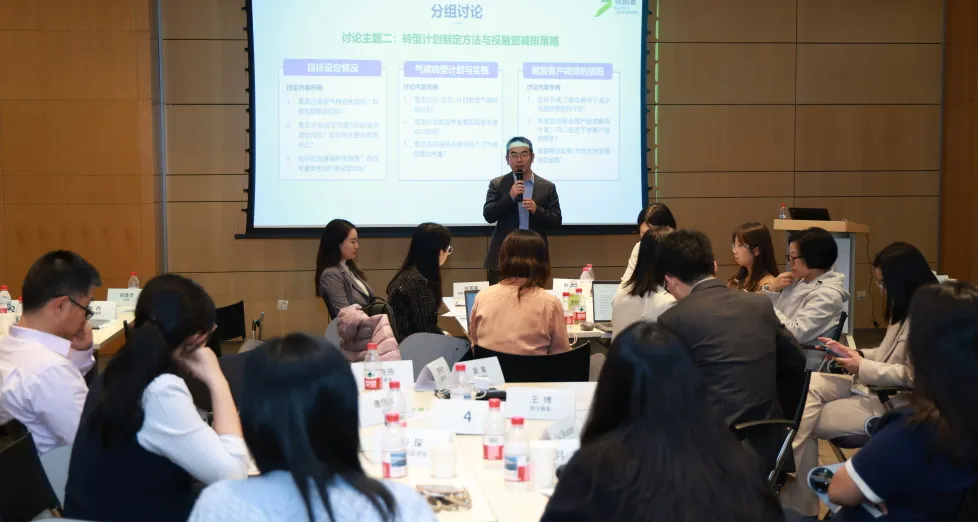
In closing, Zhao Lijian, Joint Secretary General of the China Climate Engagement Initiative (CCEI) and Director of the Green Technology Centre at the Institute of Finance and Sustainability (IFS), delivered concluding remarks summarizing the conference. He emphasized that the day’s in-depth discussions on Scope 3 carbon accounting and transition planning for financial institutions brought together cutting-edge insights from regulators, international organizations, financial institutions, and research bodies, resulting in pragmatic experience-sharing and consensus-building. Zhao noted that Scope 3 accounting has become a critical foundation for financial institutions in conducting risk identification and management, setting targets, and formulating strategic plans. By fostering collaborative standard-setting, capacity-building, and actionable implementation, the financial system can play a more substantial role in supporting corporate decarbonization and achieving national climate goals. Looking ahead, CCEI will continue to collaborate with industry partners to empower the financial system in driving the green transition of the economy and amplifying its positive impact.