Finance Empowering Transition · Green Leading the Future The Second UK–China Transition Finance Workstream Seminar Successfully Held in Shanghai
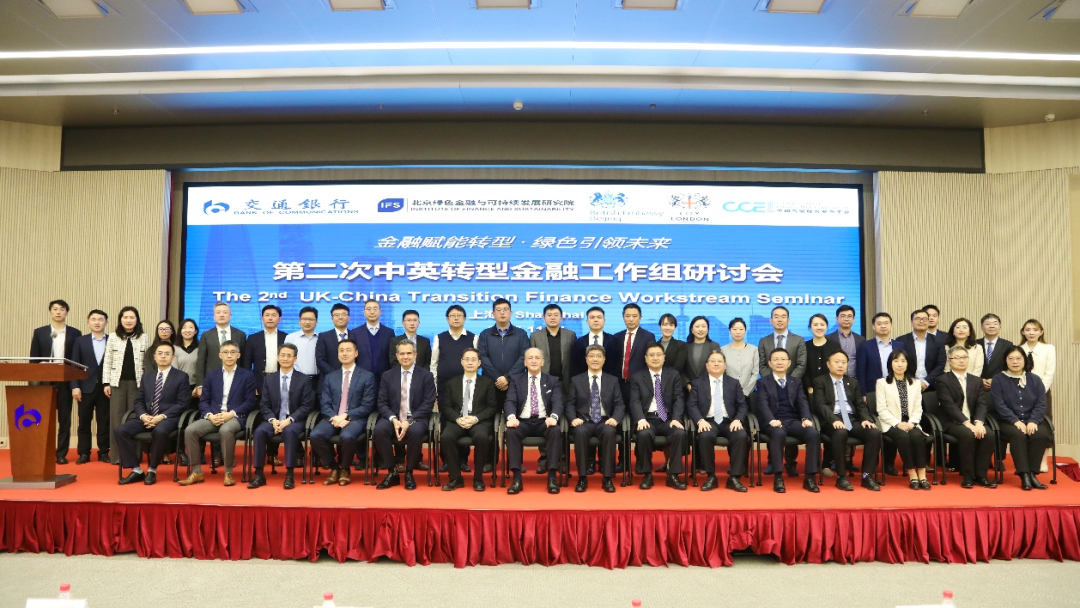
On November 24, the Second UK–China Transition Finance Workstream Seminar, with the theme of “Finance Empowering Transition · Green Leading the Future,” was held at the headquarter of Bank of Communications in Shanghai. The seminar was jointly hosted by Bank of Communications and the Institute of Finance and Sustainability (IFS), with support from the British Embassy Beijing, The City of London Corporation, and the China Climate Engagement Initiative (CCEI). More than 120 representatives from government authorities, commercial banks, insurance companies, asset management institutions, industry associations, and key enterprises from both China and the UK attended the seminar. The seminar featured in-depth discussions on core topics including transition finance standards and incentive mechanisms, the development of business systems and mechanism within financial institutions, and financial solutions for the green transition of the shipping industry, and released interim outcomes, injecting new momentum into policy alignment, product innovation, and cross-border cooperation between China and the UK in the field of transition finance.
The UK–China Transition Finance Workstream is one of the key outcomes of the 11th UK–China Economic and Financial Dialogue (EFD) held in January 2025 and was officially launched during London Climate Week in June of the same year. This Workstream is co-led by Bank of Communications and HSBC, with the Institute of Finance and Sustainability (IFS) serving as the Secretariat, and aims to promote policy alignment, product innovation, and capacity building in the field of transition finance between China and the UK, expand the scale of transition finance, and support the achievement of climate goals in both countries.
GU Bin, Vice President of Bank of Communications, stated in his opening remarks that the UK–China Transition Finance Workstream is an important cooperation mechanism established under the framework of the 11th UK–China EFD this year, which has received positive responses from the financial sectors of both countries. To date, 20 Chinese institutions and 9 UK institutions have joined the Workstream, demonstrating the determination of leading international financial institutions to support the low-carbon transition and providing a new platform for exchange and cooperation in financial services for the transition of high-emitting industries. He shared three key observations: first, the launch of the Workstream is of significant practical importance, as it will further promote the deepening of green finance cooperation and help advance high-level opening-up in the field of sustainable finance; second, promoting the development of UK–China transition finance requires pragmatic cooperation, and over the next two years, collaboration should be strengthened in areas such as mutual recognition of standards, the implementation of transition loans and bonds, as well as innovation in carbon finance and sustainability-linked products; third, transition finance services should be more accessible and inclusive, with member institutions extending service boundaries, refining differentiated policies, providing targeted support to enterprises with the willingness and capability to transition, and timely feeding back practical experience to regulatory authorities. GU Bin noted that Bank of Communications will earnestly fulfill its role as the Chinese leading institution and work with all parties to jointly advance the high-quality development of UK–China transition finance.
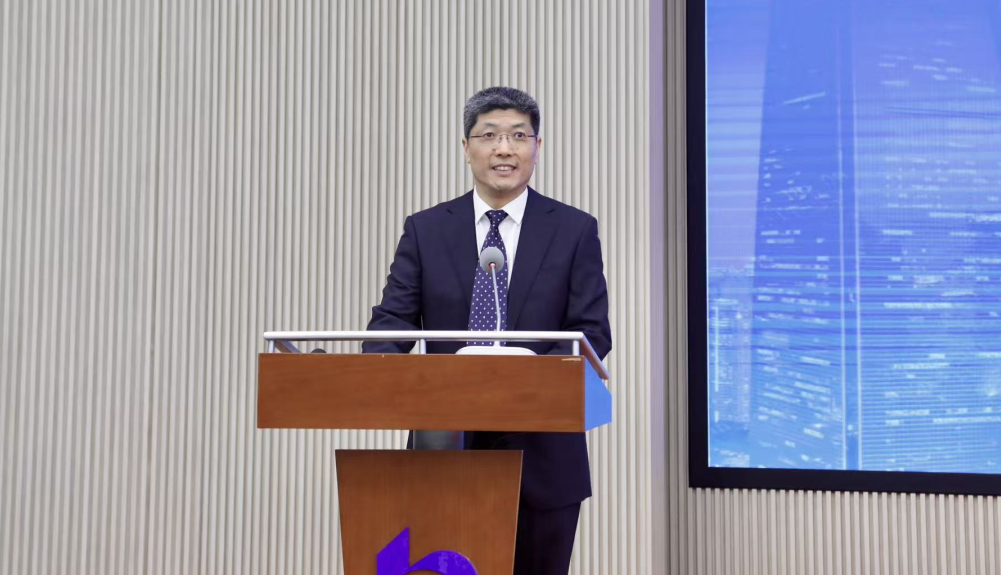
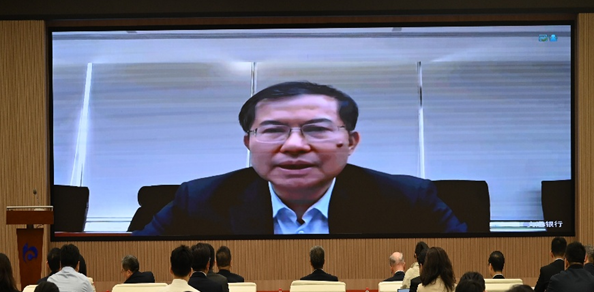
WANG Xin, Director-General of Research Bureau of the People’s Bank of China (PBOC), stated in his remarks that he thanked the UK–China Transition Finance Workstream for its support of the central bank of China’s sustainable finance work, and noted that the seminar’s discussions on standards, transition plans, business systems, and incentive mechanisms were of great significance. He outlined the PBOC’s current priorities: 1) Accelerating the development of transition finance standards: following the pilot of the first four-sector standards, a second batch covering seven sectors including shipping and chemicals is now under development. 2) Strengthening transition plan and disclosure requirements by drawing on UK experience and piloting sustainable disclosure for SMEs in multiple provinces. 3) Improving policy incentives by expanding in Shanghai the scope of transition activities covered by the carbon emission reduction support tool and promoting the inclusion of eligible transition loans in structural monetary policy tools. 4) Emphasizing just transition with attention to employment and social protection for affected enterprises, SMEs, and vulnerable groups. 5) Supporting green shipping and green trade by advancing transition finance standards for water transport and blue finance standards. He expressed his expectation that UK–China cooperation would further support global sustainable investment and financing.
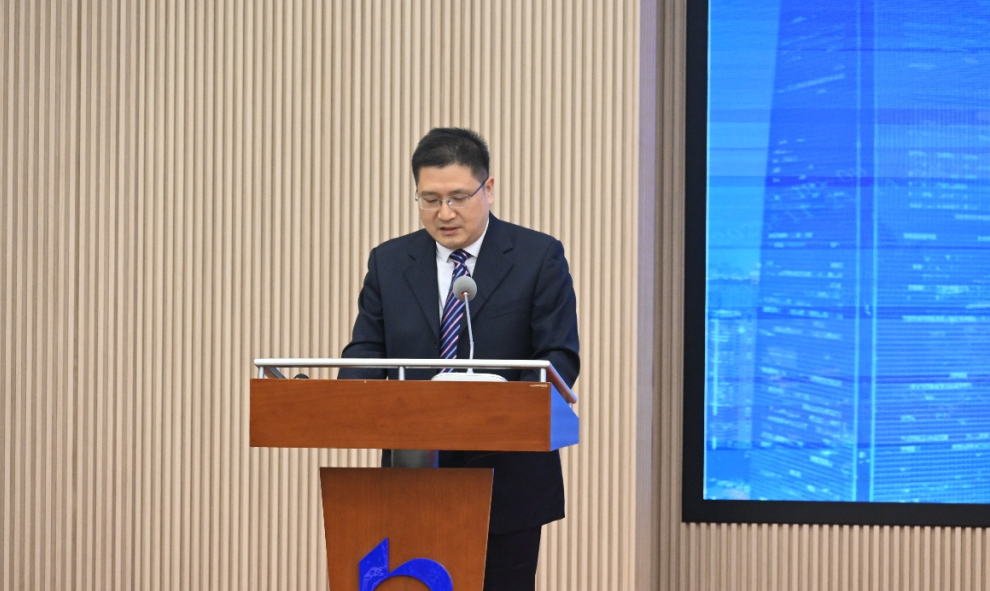
CHEN Jiming, Deputy Director of Office of the Financial Commission of the CPC Shanghai Municipal Committee, stated in his remarks that transition finance is a key bridge linking the high-carbon present with a low-carbon future. He noted that China and the UK already have a solid foundation for cooperation, and that the establishment of the UK–China Transition Finance Workstream marks the expansion of bilateral cooperation from the green domain to the transition domain and from policy dialogue to market practice, providing an important platform for addressing global climate governance and promoting industrial transition in both countries. He introduced Shanghai’s progress in transition finance, including building an institutional framework through the 14th Five-Year Plan and green finance legislation; having connected 57 institutions through the Shanghai Green Finance Service Platform, which has supported nearly RMB 19 billion in green financing, and releasing China’s first local standard for green financial leasing; developing transition finance catalogues for six sectors including shipping and chemicals, leading research on national standards for the water transport sector, and taking the lead in piloting the PBOC’s first batch of national transition standards in the steel sector. He stated that China and the UK have complementary strengths in standard recognition, pathway design, and product innovation, and should jointly promote mutual recognition of taxonomies, sharing of carbon accounting methodologies, and alignment of disclosure frameworks to reduce cross-border financing costs and guide more capital to sectors genuinely in need of transition. He added that Shanghai will continue to support the Workstream, encourage local institutions to participate in thematic research and case cooperation, and enhance the one-stop service functions of the green finance platform to support UK–China cooperation and contribute to global transition finance governance.
Sir Charles Bowman, Co-chair of UK-China GFT of former Lord Mayor of the City of London, recalled his long-standing engagement in UK–China financial cooperation and sustainable governance in his remarks, and said he was honored to serve as Co-Chair of the Working Group, a role he assumed in March 2025. He noted that amid increasing global geopolitical fragmentation and mounting pressure to meet the 1.5°C target, there is an urgent need for countries to accelerate capital mobilization to address the climate crisis. Since its establishment in 2017, the UK–China Green Finance Working Group has played a “bridging” role in advancing pragmatic cooperation between the two countries on green and transition finance. He emphasized that both countries play critical roles in the global low-carbon transition, with China leading in renewable energy investment and emissions reduction progress, and the UK positioning London as an international hub for sustainable and transition finance. With the transition finance and natural capital workstreams now fully operational and strongly supported by financial institutions from both sides, progress is expected in areas such as standards interoperability and transition guidance, though significant challenges remain. He called for future-oriented cooperation marked by greater courage and ambition in ideas, initiatives, and actions, to drive further breakthroughs in bilateral cooperation in upcoming high-level dialogues.

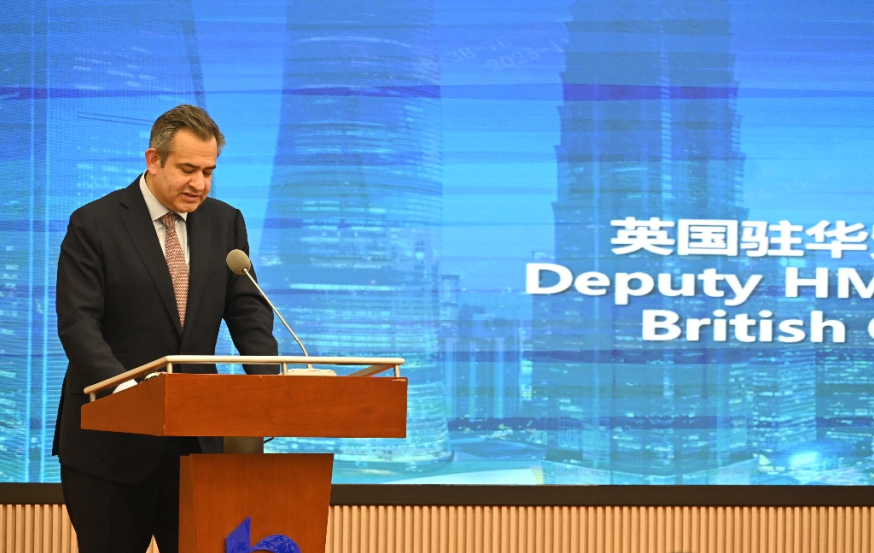
Sohail Shaikh, Deputy HM Trade Commissioner for China of British Consulate- General Shanghai, stated in his remarks that transition finance is not only about capital provision, but also about trust, standards, and responsibility. Its core objective being to ensure that capital flows to emission reduction activities aligned with long-term climate goals. He noted that the UK government is committed to positioning the UK as a global centre for green and transition finance and sees this as a key opportunity to drive economic growth. The UK financial sector can support the global net-zero transition by providing expertise, products, and services, while transition finance products represent significant market opportunities. He emphasized that since its establishment, the UK–China Green Finance Working Group has delivered tangible outcomes in areas such as standards coordination and green product innovation, and that green finance holds an important place in high-level dialogues between the two countries, as reflected by China’s issuance of its first sovereign green bond in London this year. He added that the UK–China Transition Finance Workstream currently has 29 member institutions and has identified four priority areas of work, and called on all parties to translate these priorities into concrete, implementable market solutions, ensuring that commitments made through high-level dialogues are effectively delivered to accelerate an orderly global transition to a low-carbon economy.
MA Jun, Chairman of China Green Finance Committee, President of Institute of Finance and Sustainability (IFS), Co-chair of UK-China Green Finance Taskforce, delivered a keynote speech for the event. He reviewed nearly a decade of UK–China cooperation in green finance, from the joint chairing of the G20 Green Finance Study Group in 2016, to the establishment of the bilateral working group in 2017, and to the addition of the Transition Finance and Natural Capital workstreams this year under the UK–China EFD, demonstrating the two countries’ continued leadership in building the global sustainable finance system. On transition finance, he noted that the People’s Bank of China has developed transition finance standards for four sectors, more than 20 provinces and cities have issued transition taxonomies, and some regions have begun to form initial ecosystems; however, compared with the substantial potential demand, current transition finance remains limited in scale, uneven across regions, and constrained by challenges including difficulties in client identification, insufficient corporate capacity for transition planning and disclosure, high transaction costs, and weak incentive mechanisms. Drawing on cases from Guangdong and Huzhou, he outlined practical approaches such as identifying potential high-emitting firms, providing technical pathway guidance, conducting carbon accounting and transition planning, leveraging policy tools to reduce costs, and developing matched financial products, and emphasized that financial institutions themselves should develop transition plans covering Scope 3 emissions to drive the low-carbon transition of their portfolios. He concluded that China and the UK have complementary strengths in standards, planning, and product innovation, with significant scope for future cooperation.
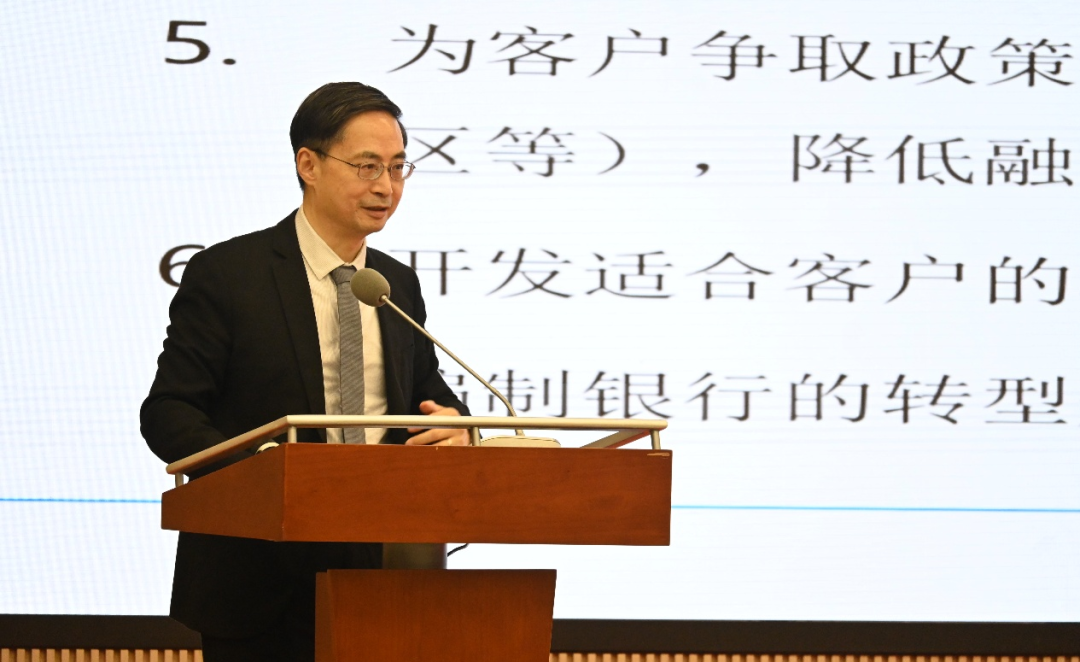
LIU Jianjun, Chief Risk Officer of Bank of Communications, stated while chairing the meeting that the UK–China Transition Finance thematic seminar was held at a critical juncture in the development of Shanghai as an international financial centre and brought together expertise from regulators, local governments, international institutions, and leading financial institutions from both China and the UK, making it of great significance for advancing a higher level of green and low-carbon transition.
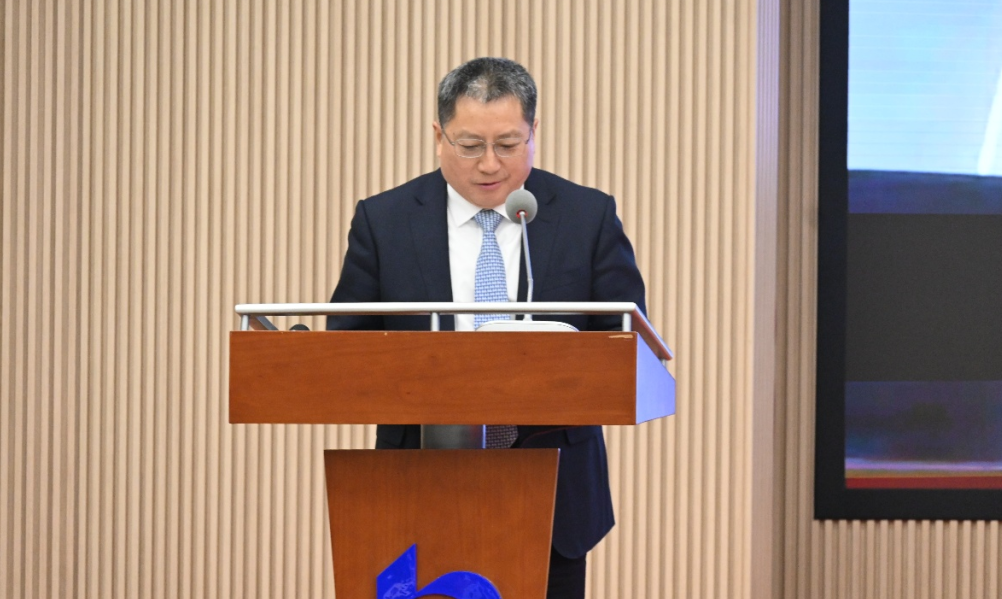
FAN Shen, General Manager of Credit Management Department of Bank of Communications, speaking on “New Opportunities, Challenges, and Policy Recommendations for Financial Support to the Green Transition,” noted that as the global carbon neutrality roadmap accelerates, opportunities and challenges for financial support to the green transition coexist. On the opportunity side, demand for green and transition investment is substantial, regional and multilateral green finance exchanges are deepening, and the blue economy and biodiversity protection are creating new financing space; however, transition finance still faces challenges including fragmented standards, insufficient product innovation, and incomplete corporate disclosure. He noted that financial institutions, aligned with the broader green transition trend, are exploring end-to-end service models spanning standards engagement, product innovation, corporate transition guidance, and risk management. He cited Bank of Communications’ participation in developing transition taxonomies, exploration of businesses such as carbon allowance pledges, and the formulation of management policies covering the full transition business process. To further enhance the effectiveness of financial services, he recommended that governments improve transition finance standards, clarify carbon accounting rules, and optimize incentive measures; that financial institutions strengthen product innovation, policy support, and risk management capabilities; and that enterprises enhance technological upgrading and carbon data management.
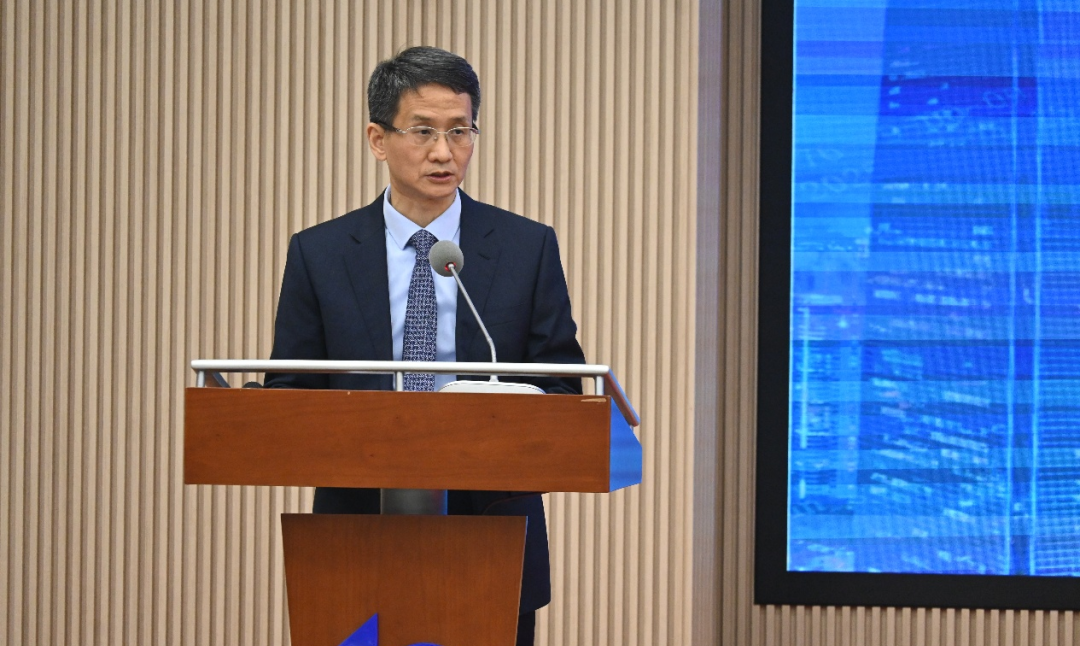
WU Jing (Justin Wu), Head of Sustainability and Climate Change, Asia-Pacific and Middle East at HSBC, delivered a keynote speech on the importance of international cooperation in mobilising transition finance. Citing a client survey from HSBC Group’s updated Net Zero Transition Plan 2025, he noted that over 80% of surveyed companies believe stronger support from financial institutions is required to achieve decarbonisation targets. While most emissions can be addressed through existing clean technologies and renewable energy, around one-third come from hard-to-abate sectors such as aviation, shipping, steel, chemicals, and cement, which require additional technological breakthroughs as well as policy and market support, making transition finance critical for these sectors. He stated that by the end of June this year, HSBC had cumulatively provided nearly USD 448 billion in sustainable finance and has committed to reaching USD 700 billion to USD 1 trillion by 2030. He observed a divergence in progress on financed emissions reduction: relative to HSBC’s 2030 targets, emissions in the power sector have declined more rapidly due to increased renewable penetration, while heavy industry and transport remain under pressure. He then outlined recent UK developments, including the release of transition finance guidance, sectoral transition pathways, transition plan consultations, and disclosure standards aligned with the ISSB. He noted that HSBC and Bank of Communications jointly hosted the first UK–China Transition Finance Workstream meeting in London in June this year, that there are currently nine UK member institutions, and that both sides have identified four priority areas: promoting the application of standards and improving policy tools, strengthening the development and assessment of corporate transition plans, enhancing transition finance support for key sectors, and building the capabilities of financial institutions themselves. He added that the Workstream will deliver tangible progress on these priorities over the coming year.
Jenny Hao, Chief Representative of City of London Beijing Office, introduced the consultation draft of the Transition Finance Guide released by the UK Transition Finance Council. She noted that hard-to-abate sectors have long faced financing constraints due to immature technologies and complex transition pathways. Transition finance aims to address the core issue of enabling companies undergoing transition to access capital. She outlined the background of the UK Transition Finance Council, whose work focuses on credibility and integrity, sectoral pathways, policy and governance, and scaling up transition finance. As its core output, the Transition Finance Guide provides a globally applicable, cross-sector baseline framework for credible corporate-level transition finance, built around four principles—ambition, action, accountability, and managed reliance—and six common elements. It emphasizes voluntariness, proportionality, and practicality, bridging the gap between “having a transition plan” and “having a credible transition plan,” and complementing standards such as the TPT and ISSB. She called on members of the UK–China working groups to actively participate in the consultation process so that the Guide can remain globally interoperable while being adapted to the needs of the Chinese market.
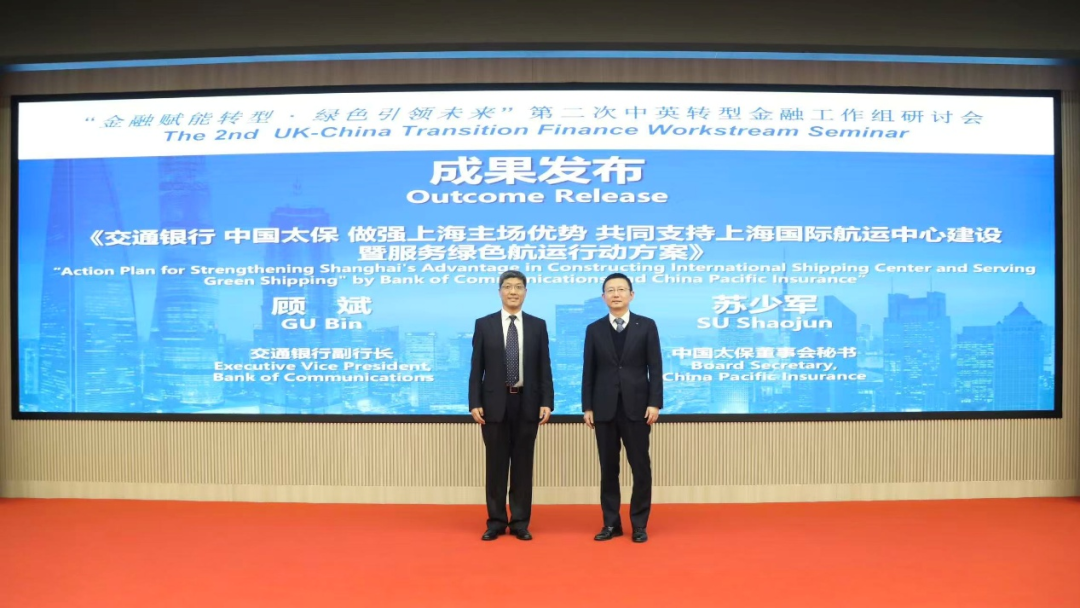
During the results release session, Bank of Communications and China Pacific Insurance (CPIC) jointly unveiled the "Action Plan for Strengthening Shanghai's Advantage in Constructing International Shipping Centre and Serving Green Shipping". As a state-owned commercial bank and a large insurance group both headquartered in Shanghai, the cooperation aims to leverage coordinated financial and insurance support to advance the development of Shanghai as an international shipping centre and promote green shipping. At the release ceremony, GU Bin, Vice President of Bank of Communications, and SU Shaojun, Board Secretary of China Pacific Insurance Group, jointly appeared on stage for a commemorative photo, providing important support for the implementation of the Action Plan and further cooperation.
LI Chao, Deputy General Manager of China Pacific Property Insurance Co., Ltd., stated that marine insurance is a core financial pillar for shipping safety and trade facilitation. He noted that CPIC has long identified marine insurance as a core group strategy and, in support of the development of the Shanghai International Shipping Centre, has collaborated with Bank of Communications through multiple rounds of discussions to jointly develop a comprehensive shipping financial services action plan that is professional, forward-looking, and actionable. The plan covers four capability areas—risk protection, green transition, digital collaboration, and international cooperation—and 20 specific measures. He emphasized that, leveraging China’s only maritime risk loss prevention team and a global network spanning more than 130 countries, CPIC is shifting risk services from post-loss compensation to pre-emptive prevention and in-process intervention. In green shipping, CPIC has launched dedicated insurance products linked to transition finance standards for scenarios such as green vessel construction and fuel application, integrating risk protection, credit enhancement, and green certification. In digitalization, it is actively exploring the use of technology to provide more inclusive services to small and medium-sized shipping companies. Through expert teams and international cooperation platforms, it is participating in global rule-setting. He added that CPIC will use the Action Plan as a blueprint to define key tasks for 2026 and build a benchmark model of “bank + insurance” collaboration to empower the high-quality development of the shipping industry.
QIN Hua, Deputy General Manager of the Credit Management Department of Bank of Communications, stated that following the release last year of its green and low-carbon transition financial service plan for the Shanghai-based shipping industry chain and the successful implementation of several “first-of-its-kind” transactions, Bank of Communications has now jointly launched a new action plan with China Pacific Insurance to further deepen bank–insurance collaboration and support the development of the Shanghai International Shipping Centre. He outlined four areas of progress in advancing the plan: First, leveraging the Group’s full-licence capabilities to build a comprehensive shipping finance supply system and actively support green vessel construction, with its wholly owned subsidiary BoComm Leasing having become the largest financial leasing company by fleet size in China. Second, promoting the Shanghai transition finance taxonomy for the water transport sector and completing the national taxonomy, and successfully delivering China’s first transition finance loan for the shipping sector and the first transition loan for methanol dual-fuel vessels. Third, focusing on innovation in green fuels by supporting the commissioning of an integrated demonstration project for green methanol produced from wind power coupled with biomass, which has obtained EU market access and provides a model for the commercialisation of green marine fuels. Fourth, making full use of the UK–China Transition Finance Workstream platform to strengthen international cooperation and solution export. He added that Bank of Communications will continue to deepen bank–insurance cooperation around “one system and four core capabilities” and further scale up support for green shipping.
CUI Lin, Distinguished Senior Research Fellow at the IFS, introduced the initial research findings from the institute’s “Research on Green Shipping and Maritime Decarbonization: Ship Emission Reduction and Green Fuel Substitution”. The research primarily focuses on future ship decarbonization technologies and green fuel substitution pathways. He pointed out that although shipping currently accounts for over 90% of global bulk logistics, its emissions represent only about 3% of global GHGs emissions. However, shipping emissions are projected to grow rapidly by 2050. Under the pressure of the IMO 2030/2040 emission reduction targets, the shipping industry needs to simultaneously advance energy efficiency improvements and clean fuel substitution to support the long-term goal of achieving net-zero emissions. The Research on Green Shipping and Maritime Decarbonization launched by IFS has been incorporated into the T2.2 Workstream on Shipping Emission Reduction under the Special Policy Study on Ocean Governance of the China Council for International Cooperation on Environment and Development (CCICED). The relevant research findings will contribute to the formulation of thematic policy recommendations by the CCICED. The research framework of the initiative covers four key areas: ship operation and technological improvements, analysis of green fuel alternatives, alignment with international policies and standards, and ESG and industry social value assessment. The IFS research team brings together renowned experts from China’s shipping and maritime sectors, including COSCO Shipping, China Classification Society, China State Shipbuilding Corporation, Fudan University, Shanghai Maritime University, Dalian University of Technology, and Harbin Engineering University. The current findings include ship decarbonization pathways, green fuel substitution options such as LNG, ammonia, hydrogen, biodiesel, and green methanol, economic analysis and evaluation of various green fuels, and ship carbon emission accounting and reduction models. This research aims to support large shipping enterprises in developing strategic transition plans, identifying technological barriers, and promoting the rapid growth of new fuel industries based on green electricity and green chemical engineering.
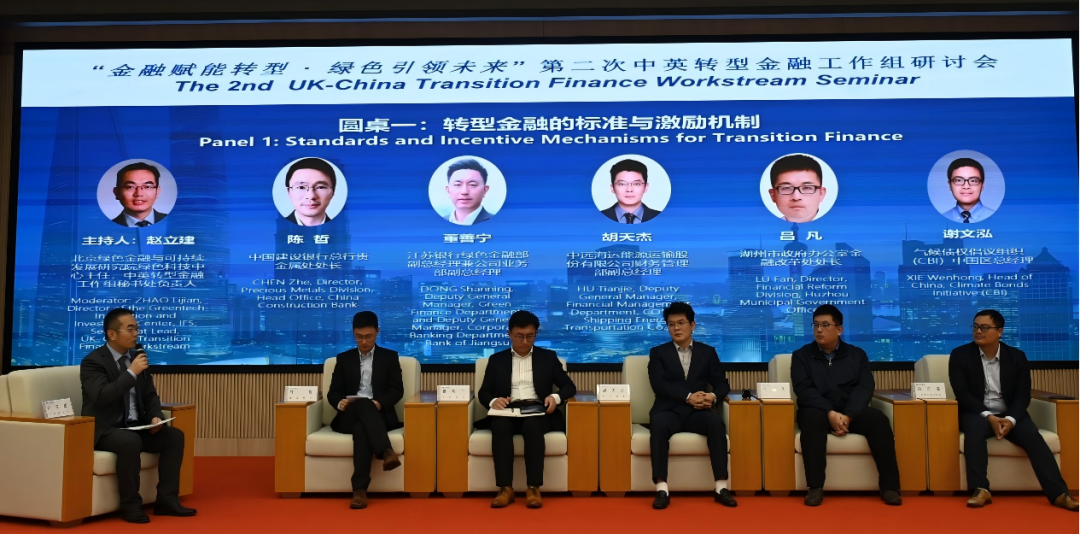
The second half of the meeting proceeded to the panel discussion session. Panel 1 was moderated by ZHAO Lijian, Director of the Greentech Innovation and Investment Centre at the IFS and Secretariat Lead for the UK–China Transition Finance Workstream. This session focused on "Standards and Incentive Mechanisms for Transition Finance"——a core issue within the transition finance framework and one of the four key focus areas of the workstream. The panel brought together representatives from financial institutions, local governments, and international standard-setting bodies to engage in an in-depth discussion on feasible pathways to promote the large-scale development of transition finance.
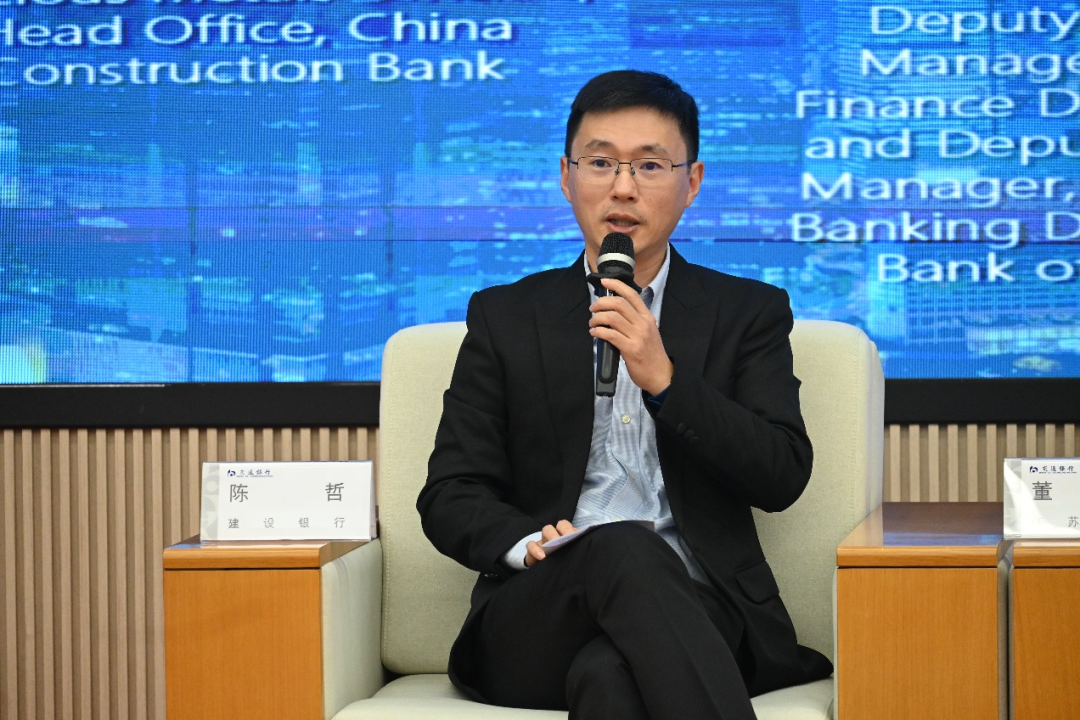
CHEN Zhe, Director of the Precious Metals Division and the System Support Division at the Head Office of China Construction Bank, introduced that CCB has adopted a dual-driver approach of "standards + pilot projects" in transition finance. On one hand, the bank actively participates in the formulation of standards for industries such as construction, building materials, and chemicals, while actively exploring and creating replicable demonstration cases. On the other hand, by incorporating low-carbon transition into its credit prioritization and launching transition-linked loans, CCB has effectively integrated policies, assessments, and products across the entire chain. In the future, CCB will continue to collaborate with regulators, peers, and enterprises to build a sustainable ecosystem for transition finance.
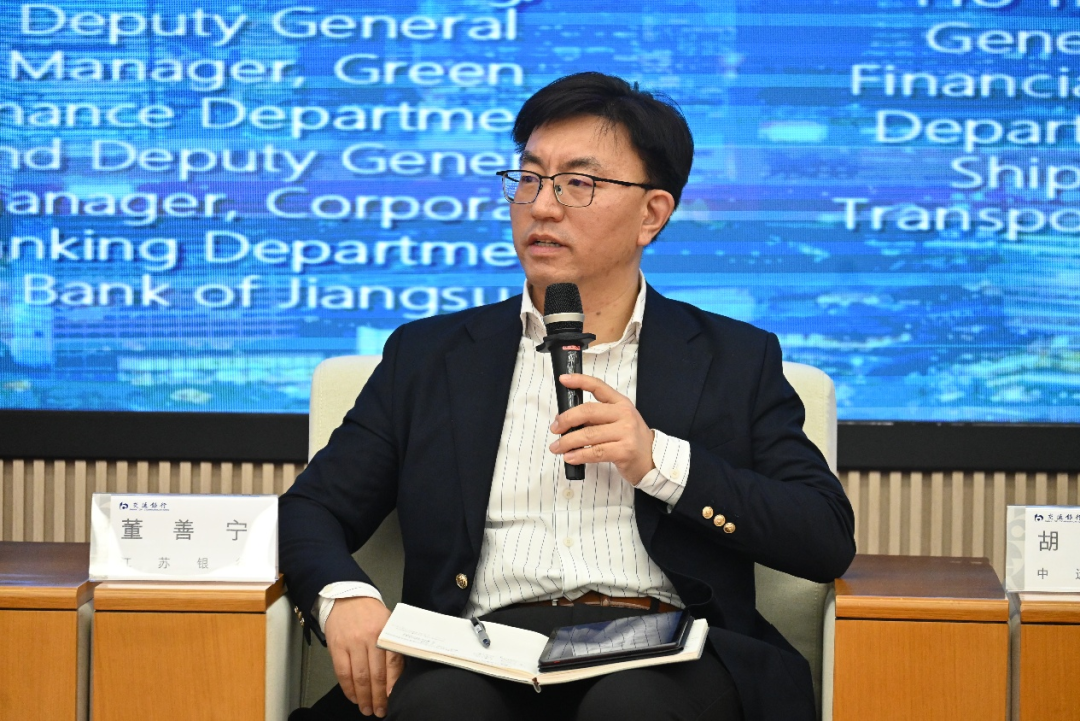
DONG Shanning, Deputy General Manager of the Green Finance Department and Deputy General Manager of the Corporate Banking Department at Bank of Jiangsu, stated that the bank has accumulated extensive practical experience in areas such as industry standard formulation, internal process development, and product model innovation. This provides a tangible example for regional commercial banks in advancing the implementation of transition finance. Currently, Bank of Jiangsu will lead the research group on "Transition Finance Standards and Incentive Mechanisms" under the UK-China Workstream on Transition Finance. The bank has identified three key research priorities: first, systematically comparing the transition finance standards of major economies to distill widely applicable commonalities or establish negative lists to enhance the clarity and credibility of asset identification; second, examining the internal incentive systems of financial institutions and external government incentives, summarizing effective practices from pilot regions in policy support, performance assessment, and risk sharing to develop replicable institutional designs; third, focusing on the interconnectivity of domestic and international carbon markets and carbon asset pricing mechanisms to strengthen the sustainability of transition finance.
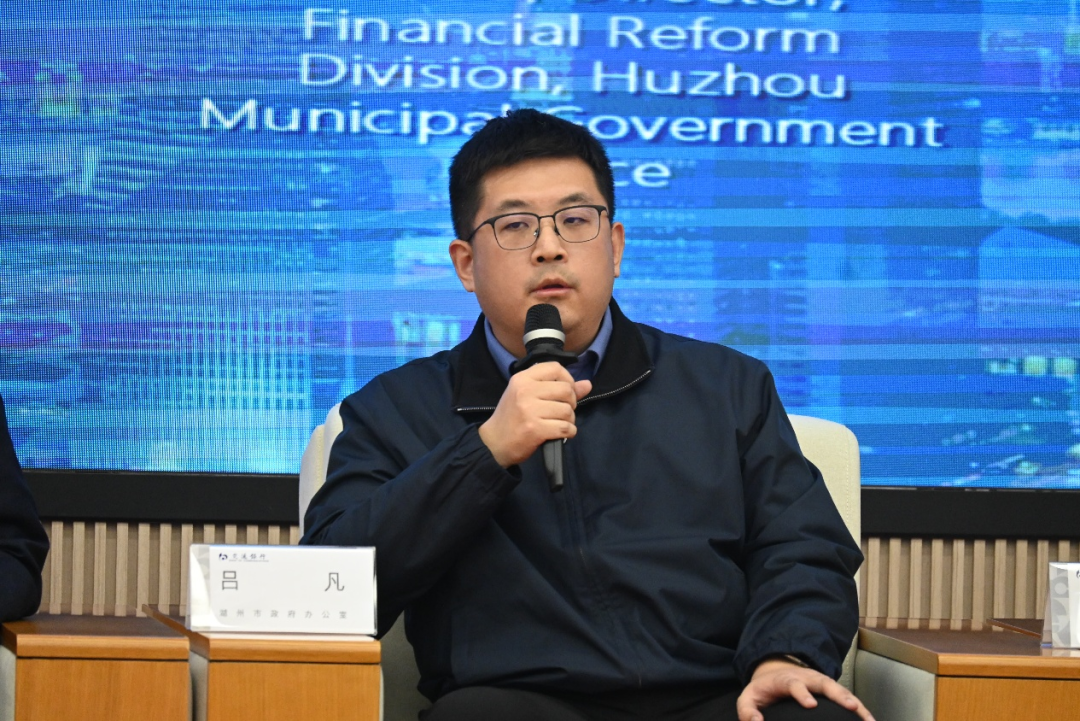
According to LÜ Fan, Director of the Financial Reform Division at the Huzhou Municipal Government Office, the core of local government efforts in promoting transition finance lies in strengthening institutional foundations and reducing implementation costs for both enterprises and financial institutions. Since 2022, Huzhou has established a local institutional framework to support transition finance, including a transition finance support catalogue, industry-specific carbon reduction benchmarks, templates for corporate transition plans, a unified carbon accounting methodology, and a "financing entity carbon account" platform. The city has also introduced various incentive policies, such as interest subsidies, premium support, bond financing assistance, and rewards for capacity building within financial institutions. Moving forward, the Huzhou Municipal Government will continue to promote the alignment of industrial transition standards with financial standards, iteratively improve the catalogue and industry targets, deepen digital capacity building, and explore the development of an integrated incentive mechanism that combines "industry policies + fiscal support + financial instruments." These efforts aim to advance transition finance from pilot initiatives to systematic implementation.
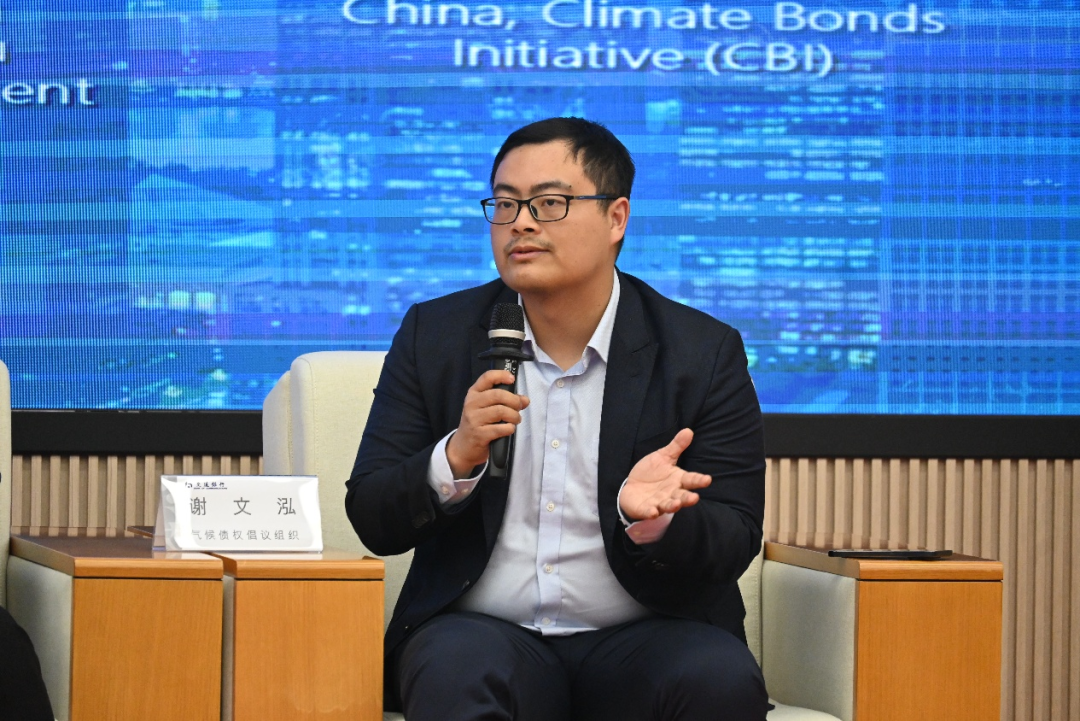
XIE Wenhong, Head of China at the Climate Bonds Initiative (CBI), pointed out that the cost premium for green production technologies in highcarbon industries remains high, leaving enterprises with insufficient internal motivation to transition voluntarily. Therefore, he stressed that incentive mechanisms must be more targeted and precise. He proposed the following recommendations: First, expand the scope of cataloguebased systems to include both upstream and downstream industries, using demandside incentives to drive deeper emission reductions on the production side. Second, distinguish between “deep transition” and “incremental improvements,” providing stronger fiscal or financial support for projects that can substantially advance sectorwide decarbonization. Third, strengthen the coordination of fiscal, industrial, and financial policies, avoiding overreliance on structural monetary policy. Fourth, increase the use of government bonds in green public procurement and key lowcarbon technology research and development. Fifth, improve the linkage mechanism between carbon markets, carbon credits, climate risk management, and transition finance, so as to enhance market transparency and the effectiveness of incentives.
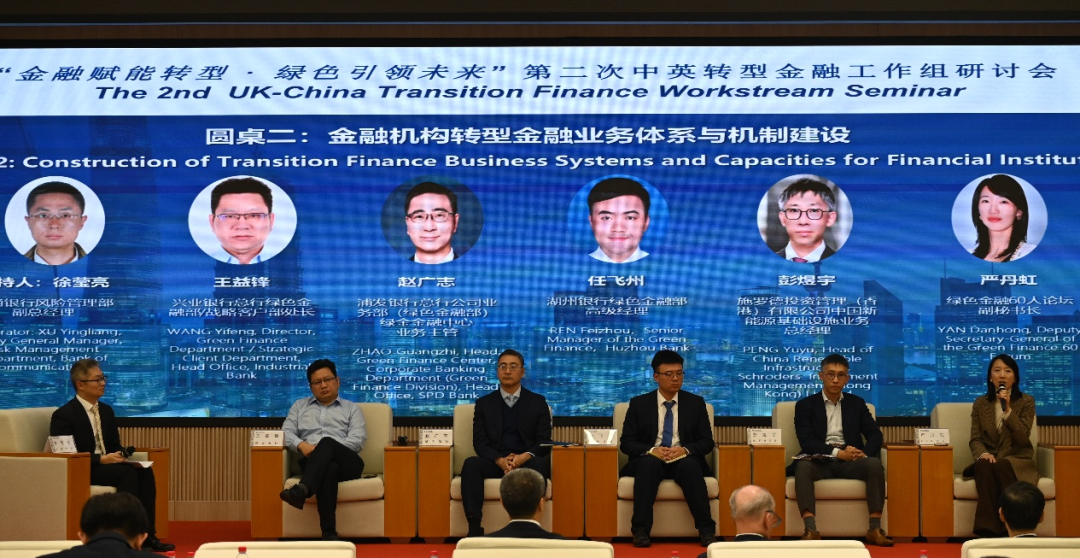
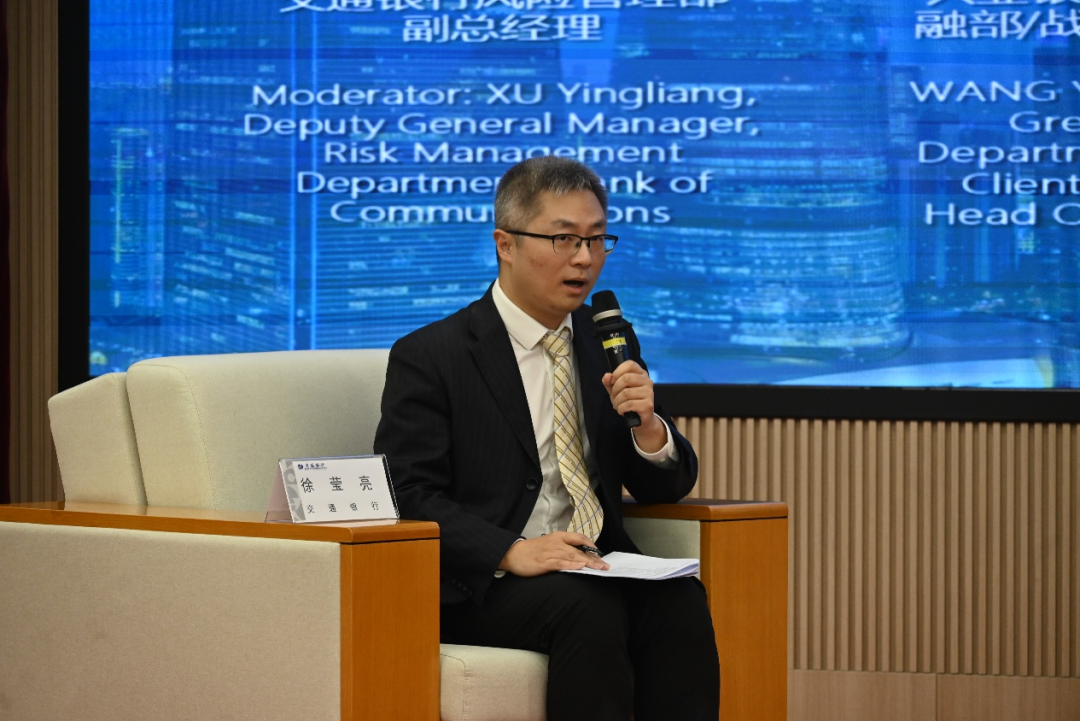
Panel 2 was moderated by XU Yingliang, Deputy General Manager of the Risk Management Department at Bank of Communications. This session focused on how financial institutions can systematically build their transition finance capabilities in terms of internal frameworks, processes, risk management, and product offerings, thereby supporting the current priorities of building a financial powerhouse and meeting the funding needs for transition.
WANG Yifeng, Director of the Green Finance Department / Strategic Client Department at the Head Office of Industrial Bank, stated that Industrial Bank is comprehensively transferring its green finance experience to transition finance, forming a closed-loop system through four key stages: "planning – catalogues – processes – incentives." The group has formulated a transition finance strategy, identifying key industries and priority support areas. By integrating standards issued by the central bank and local governments, it has established an internal project catalogue covering major high-carbon sectors to guide its branch network in targeted business development. In terms of process, the bank has embedded a transition scorecard and planning templates into its credit-granting system, providing appropriate exemptions and differentiated pathway management for eligible high-carbon clients, and established an assessment mechanism spanning from branches to the head office. Concurrently, it is enhancing frontline capabilities through financial incentives, industry guidance, and case study handbooks, thereby facilitating the practical implementation of various types of transition projects.
ZHAO Guangzhi, Head of the Green Finance Center within the Corporate Banking Department (Green Finance Division) at the Head Office of SPD Bank, stated that the bank's core approach to promoting green and transition finance is to ensure bank-wide implementation through the principles of "providing policies, products, support, and solutions." Policy-wise, this is reflected in the allocation of credit resources, where green and transition projects are separated from cautious industries and granted higher priority support. On the product front, SPD Bank actively responds to regulatory pilots by launching sustainability-linked loans and transition bonds, and has independently innovating financial instruments such as carbon-asset-backed bonds to meet the transition financing needs of the thermal power industry. Through products like the Industrial Low-Carbon Transition Loan, the bank guides enterprises to plan their transition pathways earlier and prepare bankable transition finance projects. It also supports its branches in participating in the formulation of transition finance standards across various regions and implementing the first-of-their-kind projects in places like Shanghai and Shanxi. Against the backdrop of the national comprehensive green transition policy framework, SPD Bank has further upgraded and released a comprehensive Green and Low-Carbon Transition Finance Service Package, offering market-wide, all-region, and holistic green transition
services.
REN Feizhou, Senior Manager of the Green Finance Department at Huzhou Bank, stated that when formulating the transition plan, Huzhou Bank first conducted a comprehensive carbon inventory to understand its baseline emissions. It was found that a small number of high-emission industries accounted for most the bank’s financed emissions, which led to the adoption of a strategy of“focusing on major emitters while addressing smaller ones flexibly”. For key sectors such as textiles and thermal power, on-site research combined with the CRTT tool developed by the IFS was used to set transition targets. For other industries, medium- to long-term goals were established based on local government plans. To serve specialized local industries, the bank implemented a tiered and categorized management approach to build a pipeline of transitioning enterprises. Differentiated support is provided by combining local fiscal incentives with carbon emission reduction support tools. Additionally, standardized products such as Green Micro Express Loan, Green Energy Loan, Green Storage Loan, and Equipment Renewal Loan have been launched to offer more practical transition finance services for industries like textiles.
PENG Yuyu, Head of China Renewable Infrastructure at Schroders Investment Management (Hong Kong) Limited, noted that Schroders has deeply integrated decarbonization transition into its investment framework at both the group and physical asset levels. During the pre-investment phase, the company assesses the authenticity of an enterprise's decarbonization strategy, distinguishing between technological upgrades and certificate-based emission reductions. Priority is given to enterprises that set absolute emission reduction targets and cover Scope 3 emissions. Schroders also uses internal models to quantify financial resilience under carbon price impact scenarios. Post-investment, the company leverages governance rights to drive enterprises in implementing emission reduction pathways, integrating climate and ESG indicators into KPIs for continuous monitoring, and disclosing information in compliance with TCFD/SFDR requirements. As a private equity investor in renewable energy infrastructure, its investment scope focuses entirely on assets such as wind, solar, hydrogen, and ammonia, collaborating with multinational industry leaders to develop tools like "direct green power supply." This provides practical zero-carbon energy solutions for high-energy-consuming industries.
YAN Danhong, Deputy Secretary-General of the Green Finance 60 Forum, pointed out that small and medium-sized banks face a core challenge in building a transition finance business system, namely a structural imbalance between their own resource endowments and the complexity of such business operations. Compared to large banks, smaller institutions are significantly constrained in terms of capital investment and professional expertise, which hampers progress in areas such as carbon data collection and accounting, transition assessment, and the formulation of transition plans. This situation further exacerbates their inherent cost sensitivity. She emphasized that small and medium-sized banks must first clarify, at the strategic level, the role of transition finance in advancing their own business and supporting local industrial development, avoiding the perception that it is merely a regulatory compliance burden. At the practical level, these banks can rely on low-threshold, replicable, and locally adaptable tools and guidelines to engage in progressive exploration. In this process, public data service platforms will play a key role as enabling infrastructure by providing authoritative data and system tools to address capability gaps. Additionally, supportive incentives and risk-sharing mechanisms from local governments will help channel financial resources toward local transition efforts and further stimulate the intrinsic motivation of small and medium-sized banks to participate in transition finance.
QIN Hua, Deputy General Manager of the Credit Management Department at Bank of Communications, concluded that this seminar has further strengthened the cooperation framework between China and the UK in the field of transition finance. With the continuous improvement of industry standards, the gradual clarification of incentive mechanisms, and the ongoing innovation of financial instruments, transition finance will play an increasingly crucial role in advancing deep decarbonization in high-emission sectors such as manufacturing, energy, and shipping. Moving forward, the UK-China Workstream on Transition Finance will continue to advance its efforts in areas including the release of research findings, interoperability of industry standards, incubation of exemplary cases, and the establishment of international cooperation mechanisms, aiming to accumulate more replicable and scalable practical experience and jointly contribute to global climate transition and green development.
中英转型金融工作组成员名单
中方机构
交通银行(牵头机构)、中国建设银行 、中国农业银行、中国邮政储蓄银行 、中信银行 、浦发银行 、兴业银行 、上海银行 、上海农商行 、江苏银行 、南京银行 、湖州银行、嘉实基金 、易方达基金 、中国太保 、交银金租 、苏州资产投资管理集团 、银河证券 、国泰君安证券(英国)、北京绿色金融协会
英方机构
汇丰银行(牵头机构)、渣打银行 、施罗德投资 、九一投资 、英国保诚集团 、英派斯资产管理公司 、伦敦证券交易所集团 、气候债券倡议组织 、毕马威会计师事务所